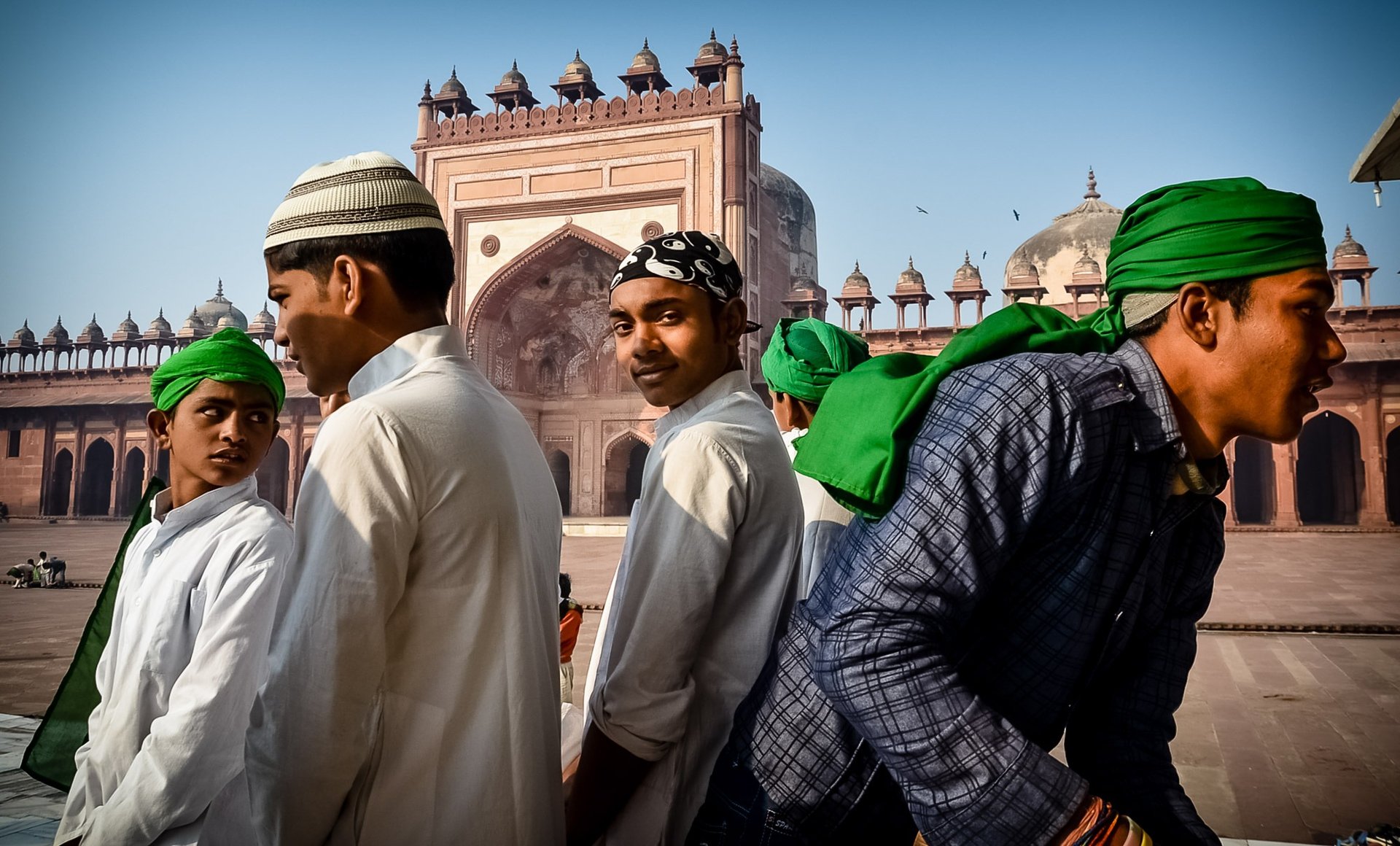
Fatehpur Sikri
Where Pilgrimage Lives Between Stone & Spirit
Built by the Mughal emperor Akbar in the sixteenth century, Fatehpur Sikri remains far more than an extraordinary architectural monument. At its heart lies the revered shrine of the Sufi saint Salim Chishti, where pilgrims continue to seek blessings, offer prayers, and tie threads of hope within the marble lattice screens.
This gallery explores the enduring relationship between the historic city and the people who continue to shape its meaning through everyday acts of devotion. Through documentary photography, it reveals a place where Mughal architecture, pilgrimage, and living faith remain inseparable, and where history continues not as memory alone, but as a tradition carried forward each day.
Photo Essay


In Sufi tradition, pilgrimage is not measured by distance traveled but by the openness of the heart. The shrine of Salim Chishti continues to welcome those who arrive carrying gratitude, uncertainty, sorrow, or hope. Across centuries, the rituals remain remarkably simple: a prayer, a thread, a moment of stillness.


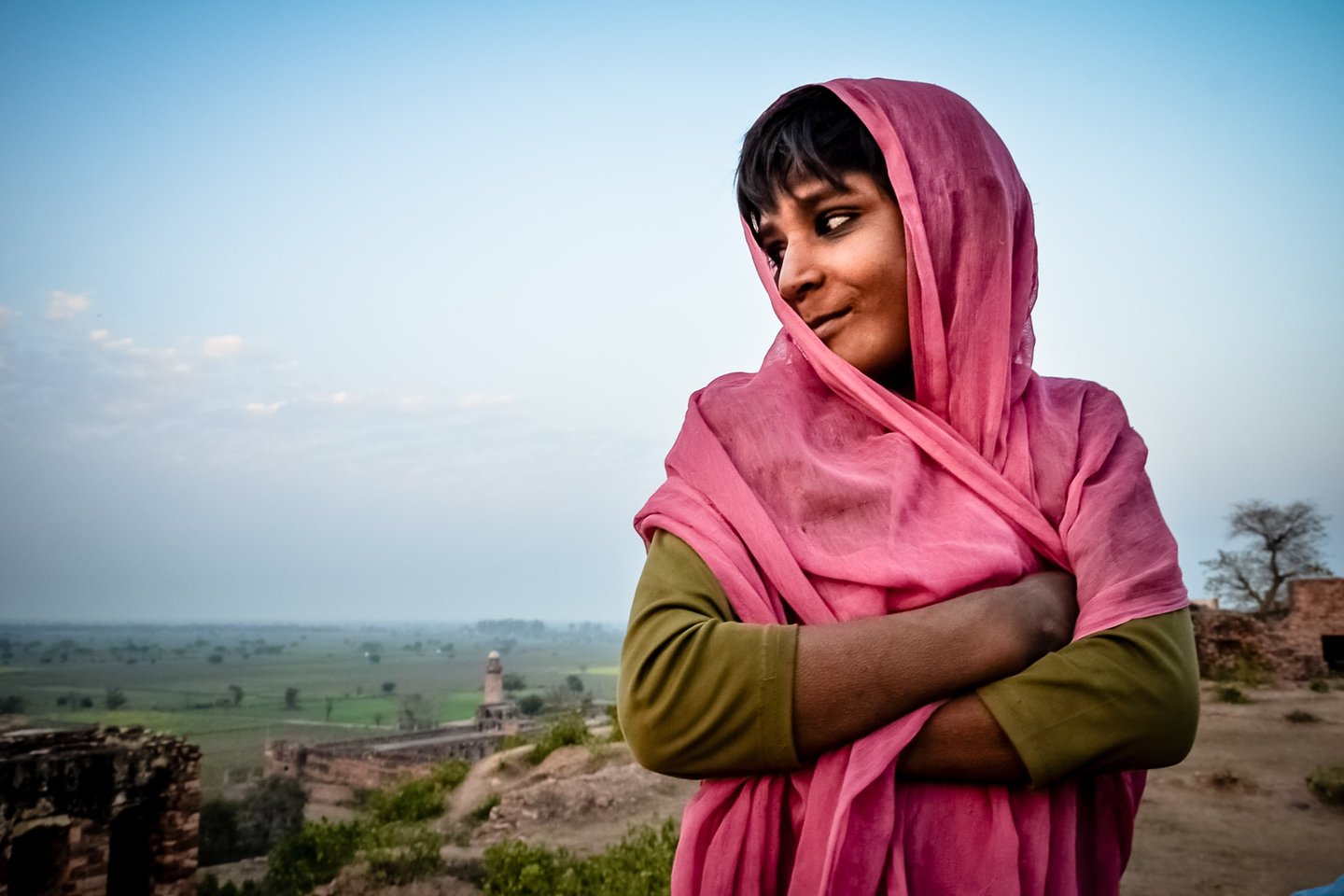


For centuries, people have come here carrying hopes too personal for history to record. Empires have risen and fallen, yet the quiet gestures of pilgrimage remain remarkably unchanged: a bowed head, a whispered prayer, a thread tied in hope. The architecture endures because the devotion continues.


Fatehpur Sikri served as the capital of the Mughal Empire for only fourteen years, yet more than four centuries later it continues to welcome pilgrims whose journeys are measured not by dynasties, but by devotion.


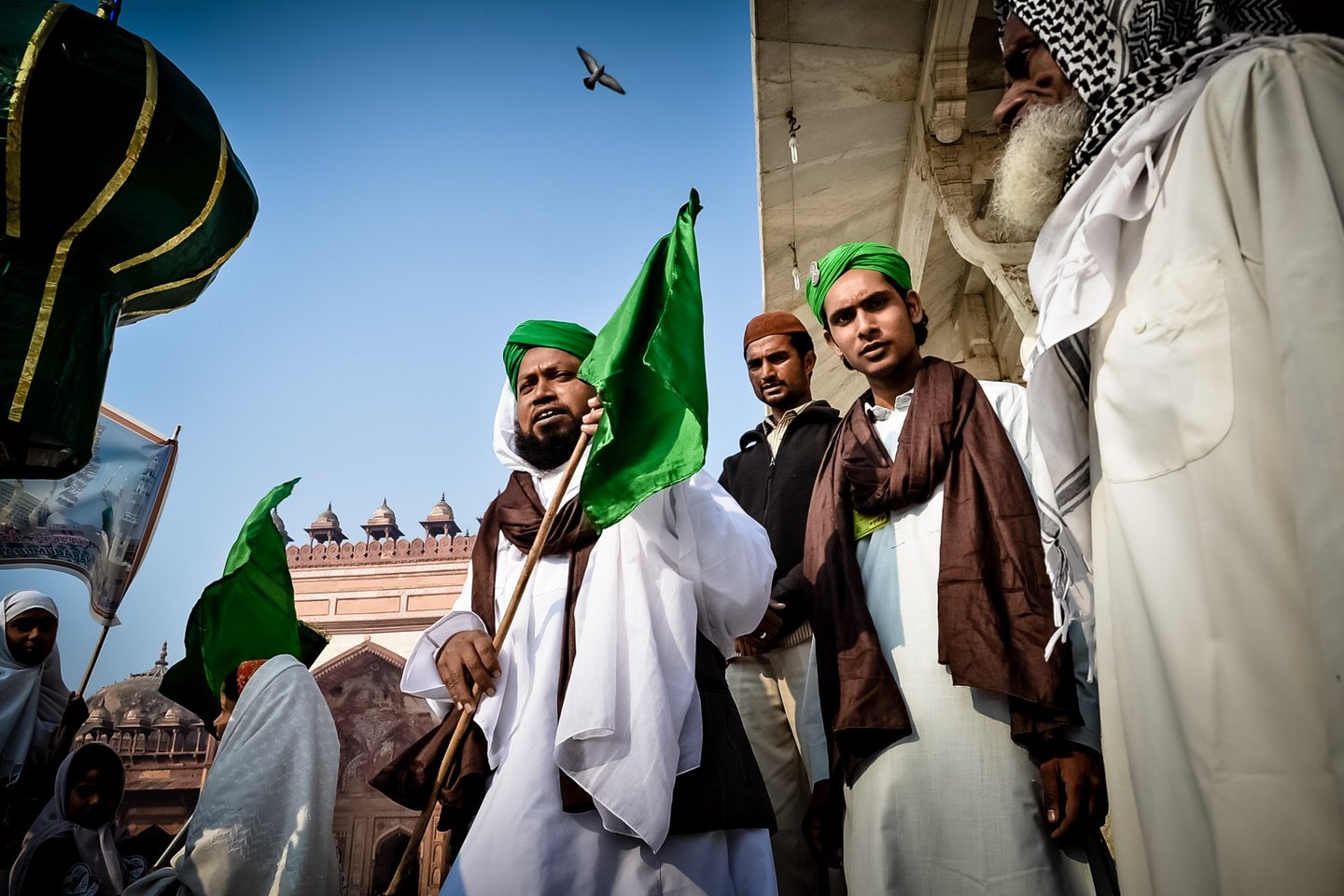



Be like the river in generosity,
the sun in compassion,
and the earth in hospitality.
— Chishti tradition


Pilgrimage does not ask us to leave the world behind. It asks us to arrive more fully within it. Every journey ends in the same place: a moment of stillness, offered with hope.


The shrine of Salim Chishti remains one of India's most visited Sufi pilgrimage sites. Many pilgrims tie cotton threads to the marble lattice screens while offering a prayer, returning later to untie them in gratitude when their wish has been fulfilled.


Pilgrimage is often imagined as a journey toward a sacred place. Yet places such as Fatehpur Sikri remind us that pilgrimage is also what people leave behind: gratitude, remembrance, and hope carried forward by those who continue to return.


The stones remember emperors. The people remember prayers.
Thanks again for visiting!
© Raku Mayers Photography
All rights reserved
Images on this website may not be downloaded, copied, reproduced, scraped, used for machine learning, AI training, dataset creation, image synthesis, or derivative works without prior written permission.
Photography Workshops
Hear about future photography immersion workshops in destinations around the world.
Collector’s Club
Receive occasional news about new prints, special releases, and print sales.
RAKU⚡️PHOTO
Selected photographs from these galleries are available as fine art prints.
Please inquire for sizes and availability.