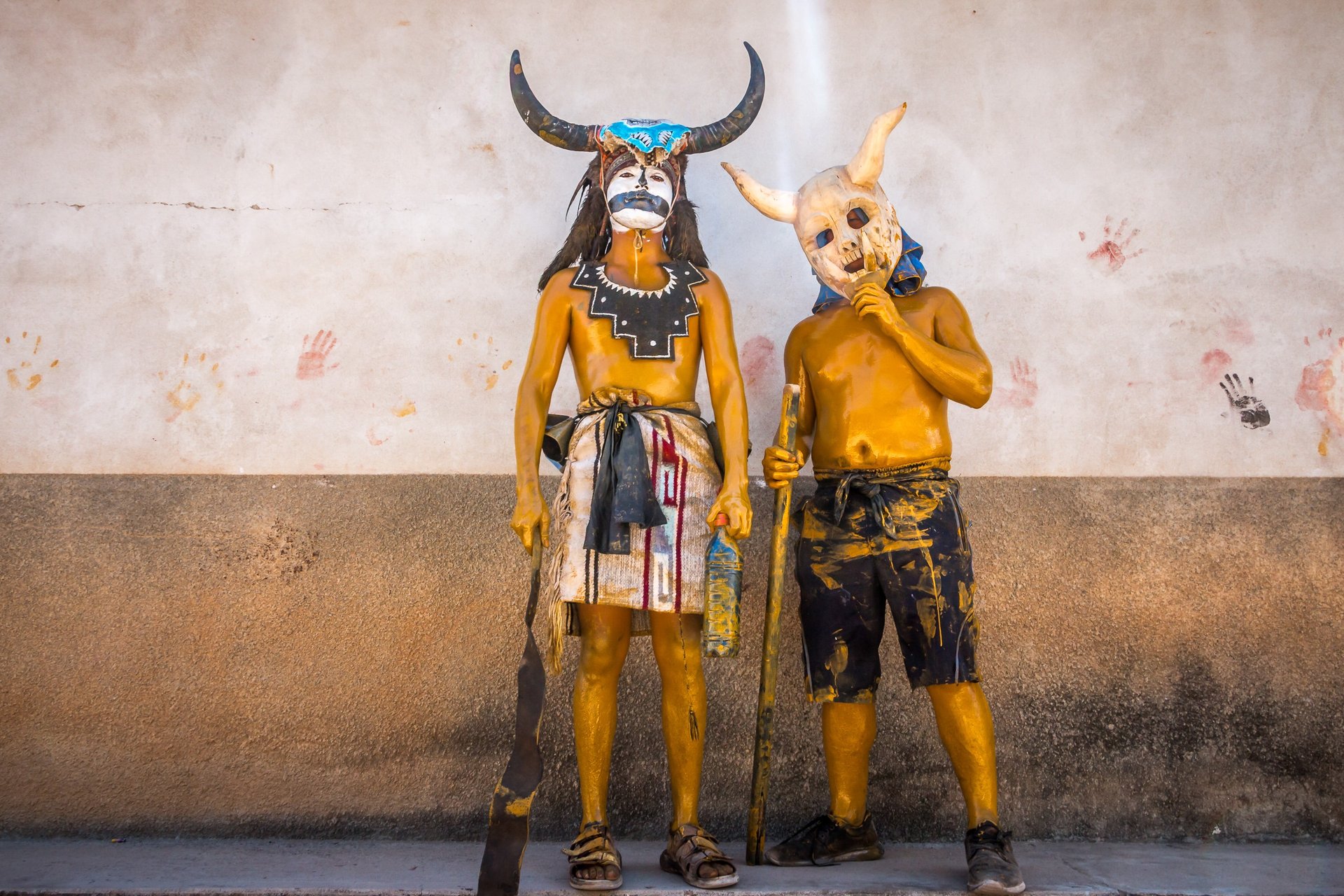
Among the Diablitos: Oaxaca Carnival Photojournalism
Each year, the Zapotec artisan town of San Martín Tilcajete in Oaxaca, Mexico, is transformed by one of the country's most extraordinary Carnival celebrations. For several days, masked diablitos (little devils) fill the streets alongside brass bands, dancers, families, and mezcal-fueled revelry, while hand-carved figures inspired by the town's celebrated alebrije tradition blur the boundary between myth and everyday life.
Rooted in a centuries-old blending of Indigenous Zapotec beliefs and Catholic tradition, the Carnival is both playful and deeply symbolic -- a celebration of transformation, satire, renewal, and community.
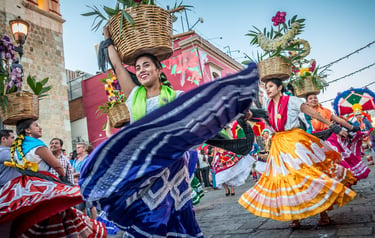
These photographs document the people, masks, ceremonies, music, and spontaneous moments that give the festival its remarkable vitality, revealing a living tradition where folklore, craftsmanship, and collective memory continue to shape the cultural identity of Oaxaca.
Masks, Alebrijes, Devils, and Living Tradition in Oaxaca's Zapotec Carnival
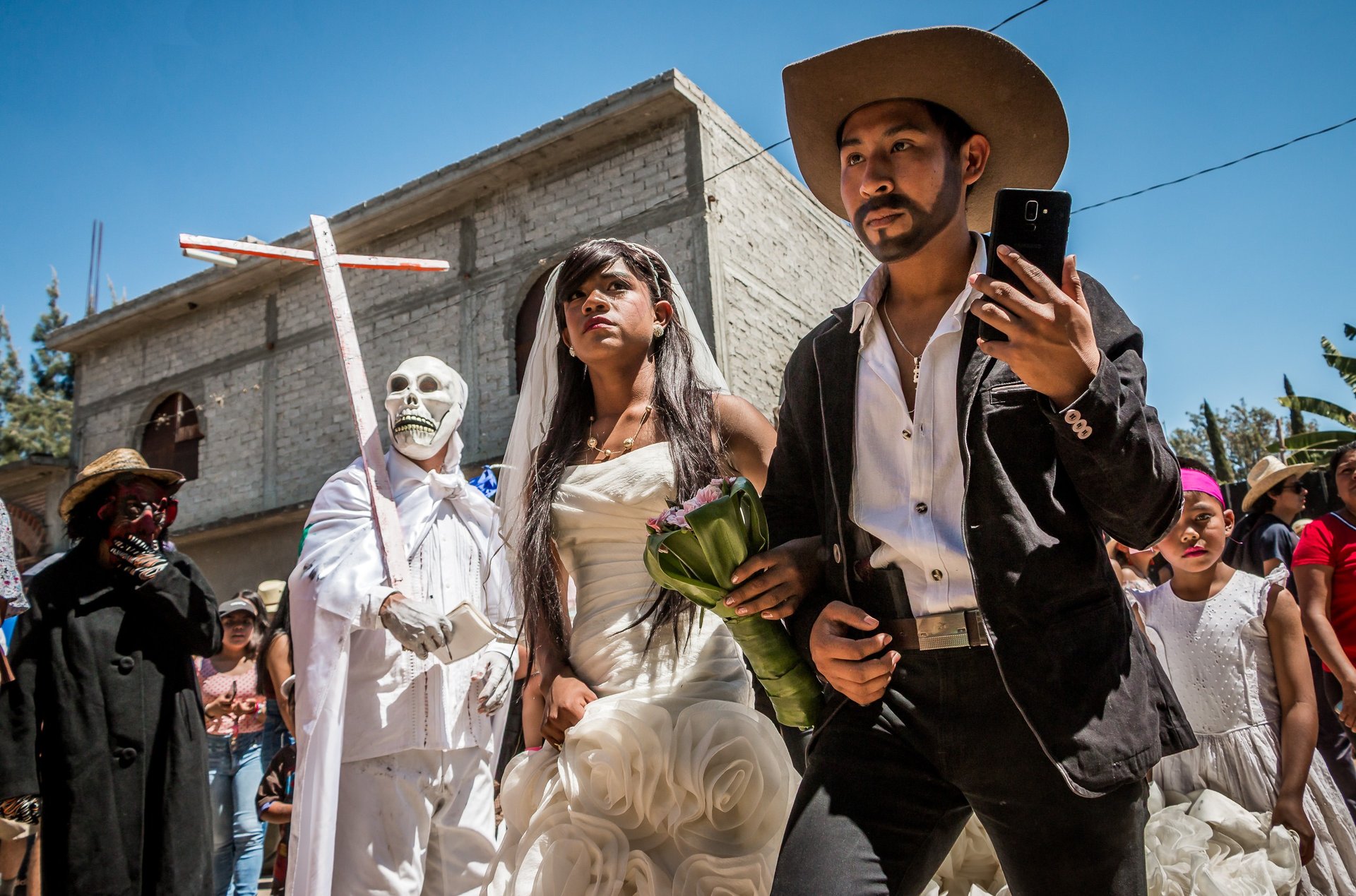
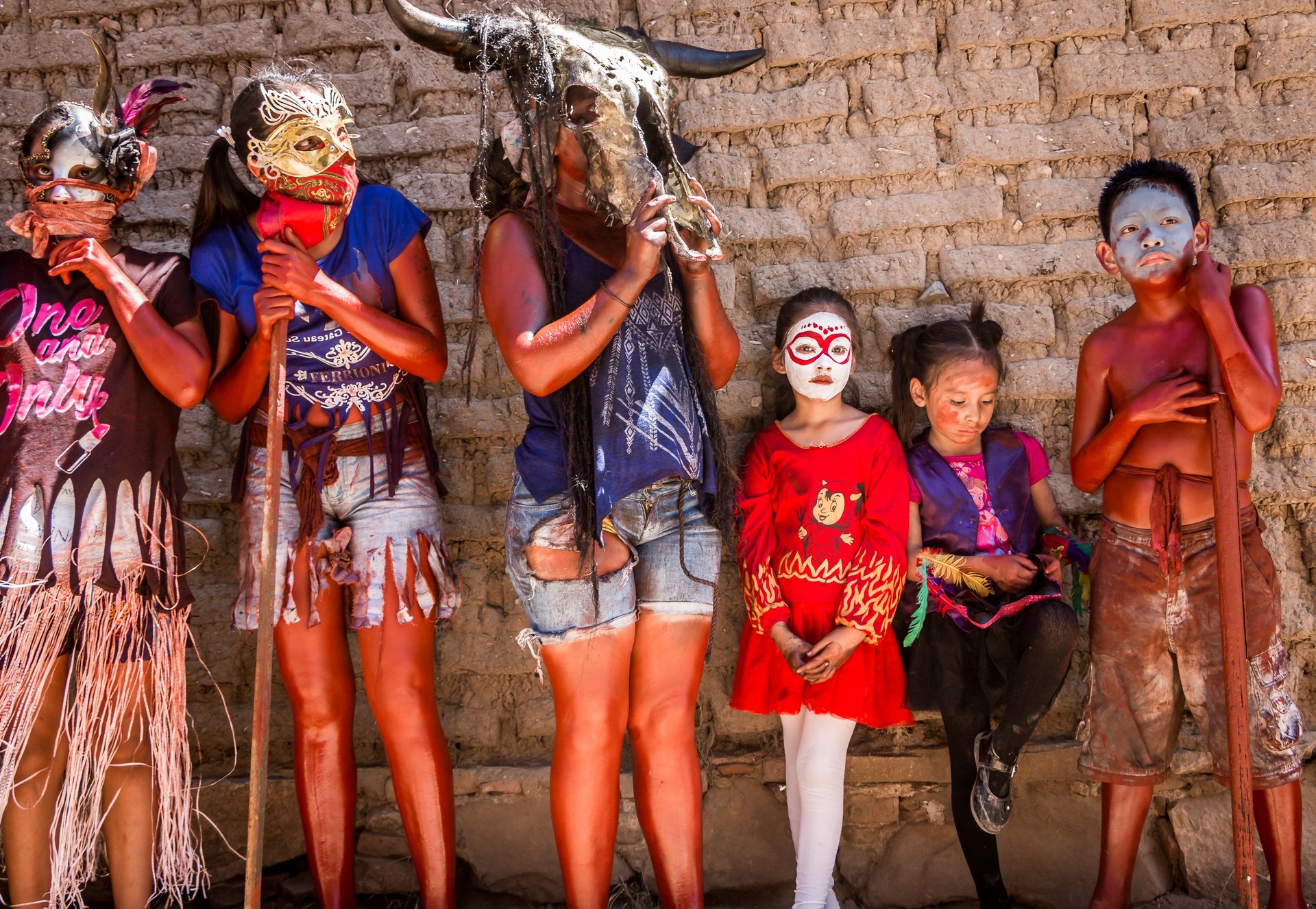
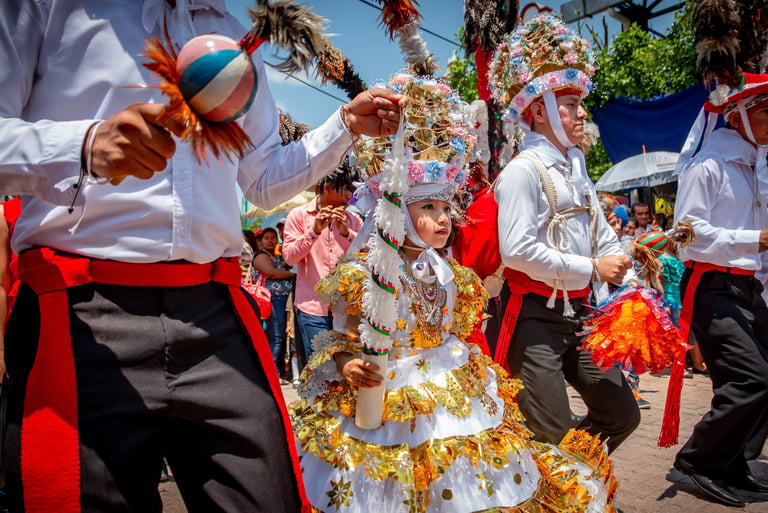
Unlike performances created for visitors, the Carnival of San Martín Tilcajete remains first and foremost a community celebration. Families spend months preparing elaborate masks, costumes, music, and dances that draw upon generations of local tradition.
Throughout the festivities, humor, mischief, religious symbolism, and social commentary intermingle, reminding participants that Carnival is both a celebration of life and a temporary inversion of the ordinary social order.
These photographs seek not only to document the spectacle but also to reveal the human moments of preparation, devotion, laughter, and connection that unfold behind the masks.
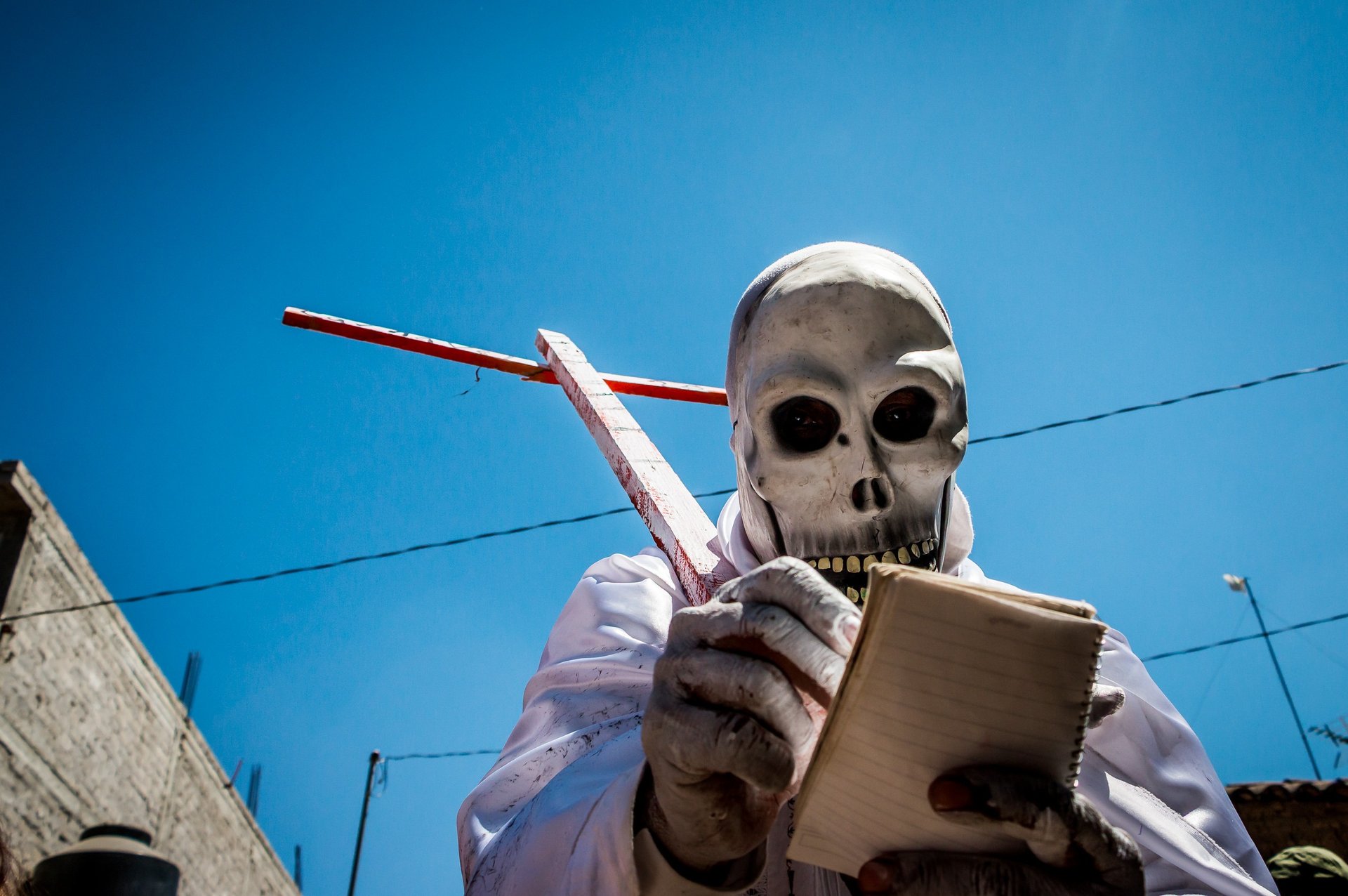
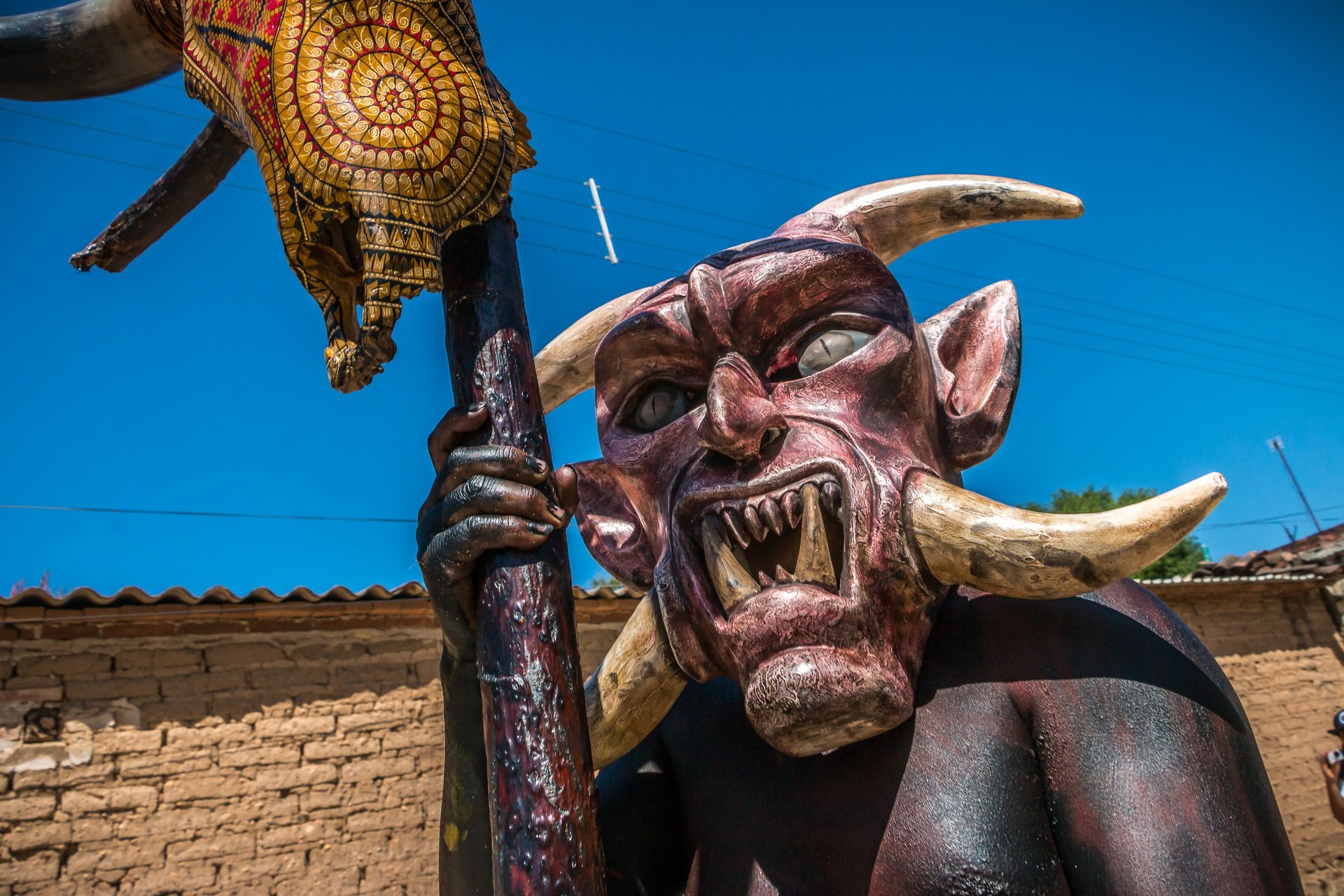
The masked diablitos are among Carnival's most recognizable figures. Mischievous, theatrical, and unpredictable, they dance through the streets, teasing spectators and performers alike while bringing humor and energy to the celebration.
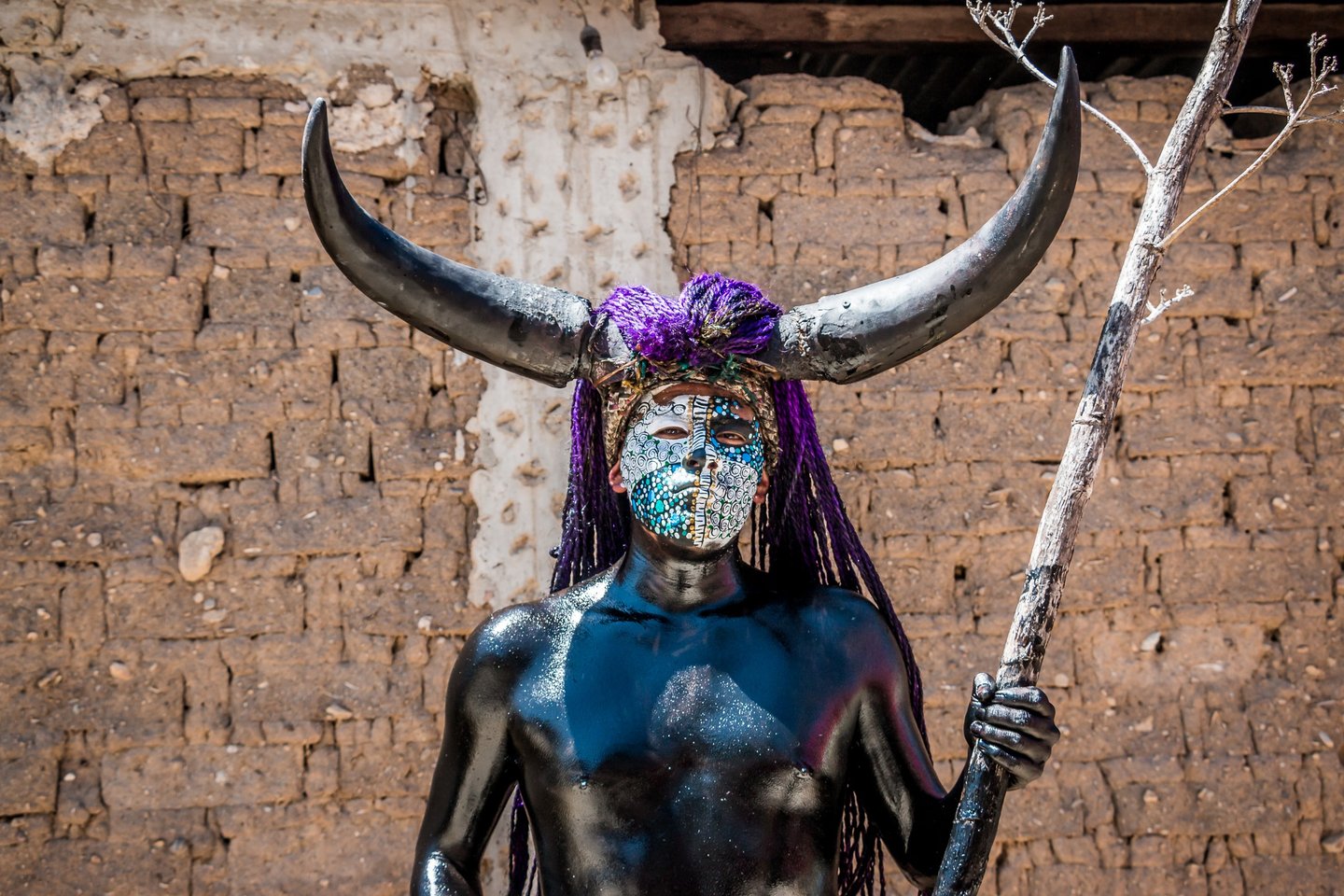
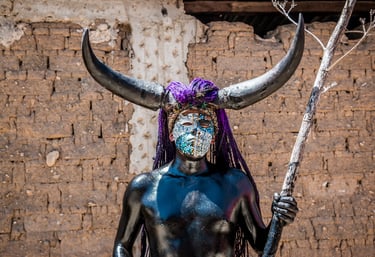
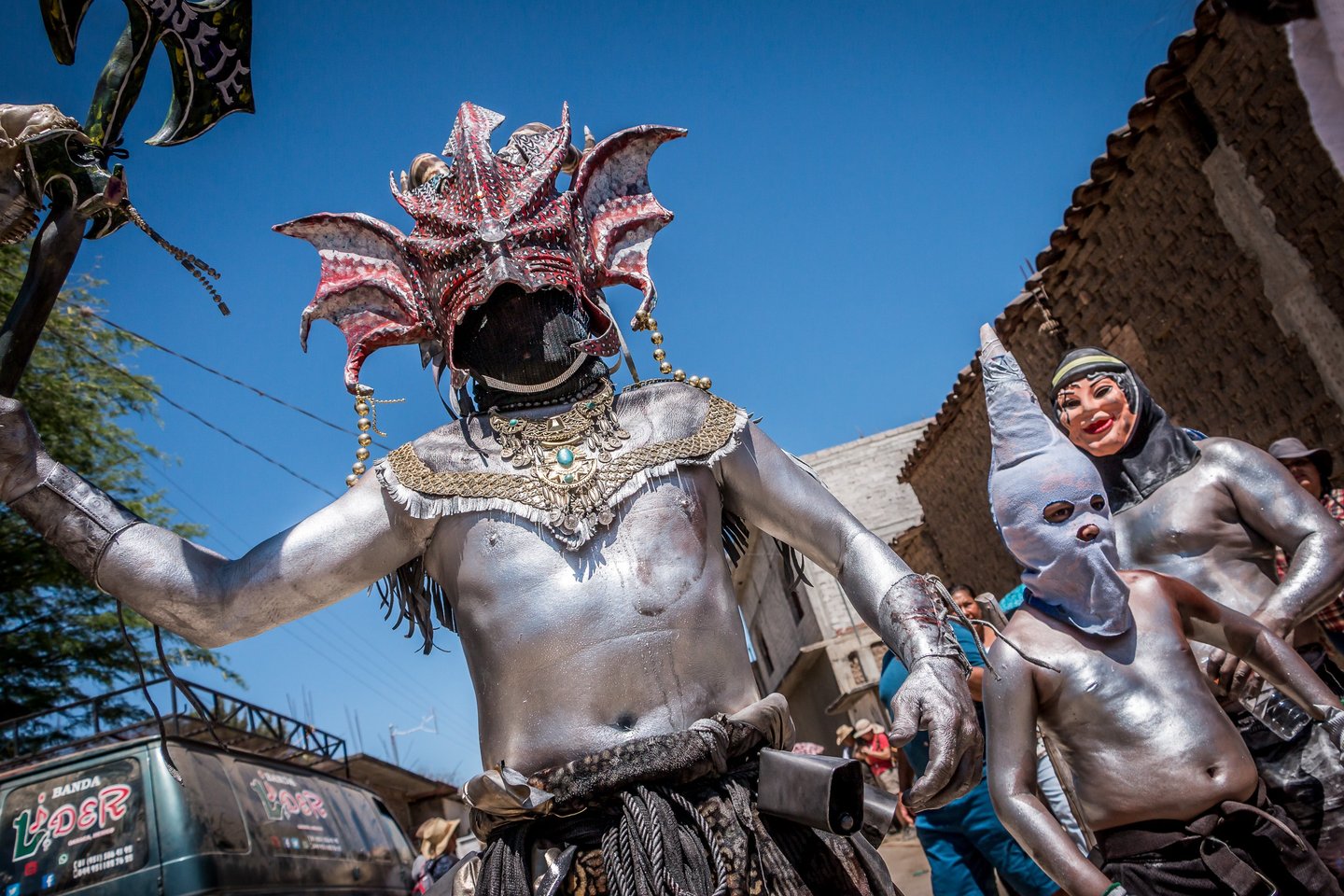
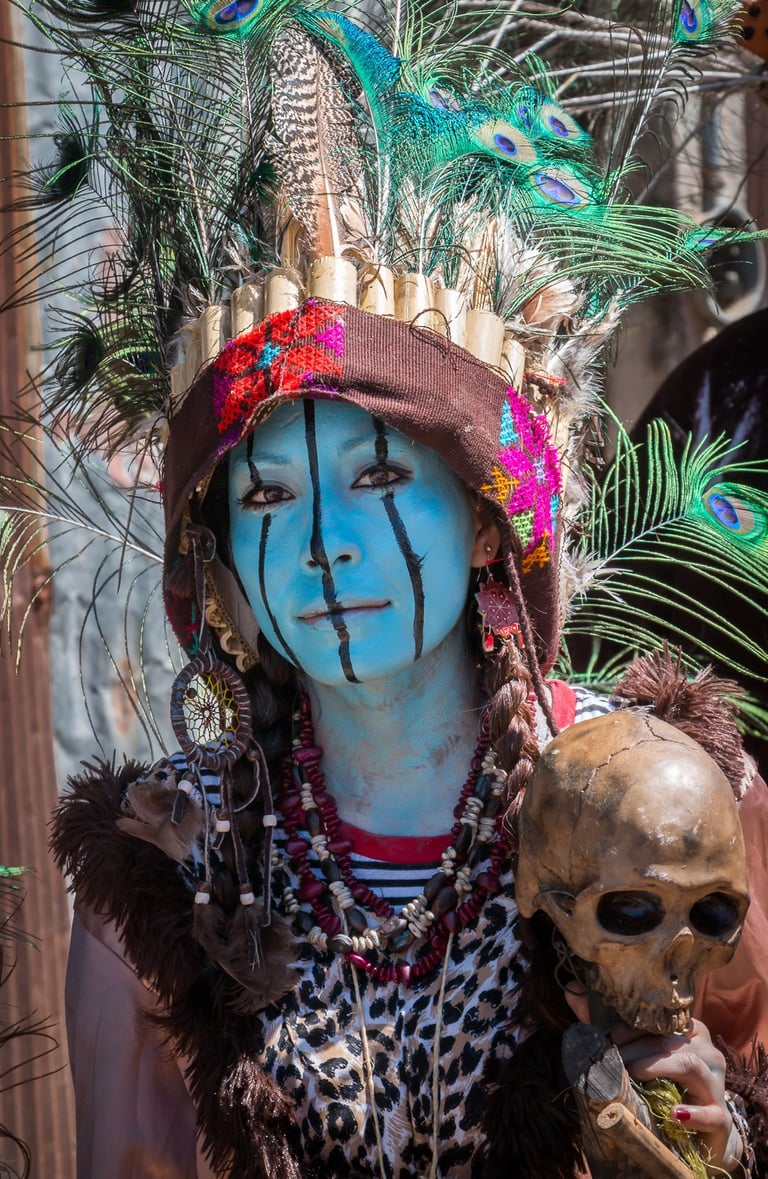
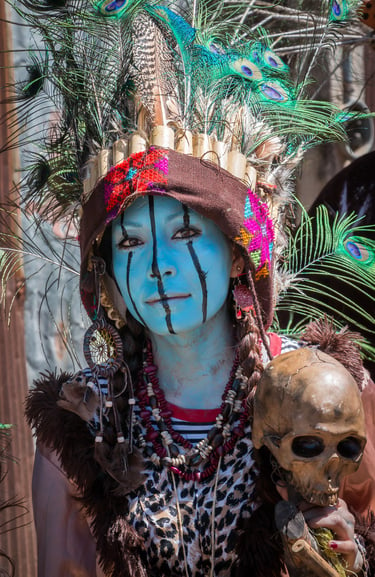
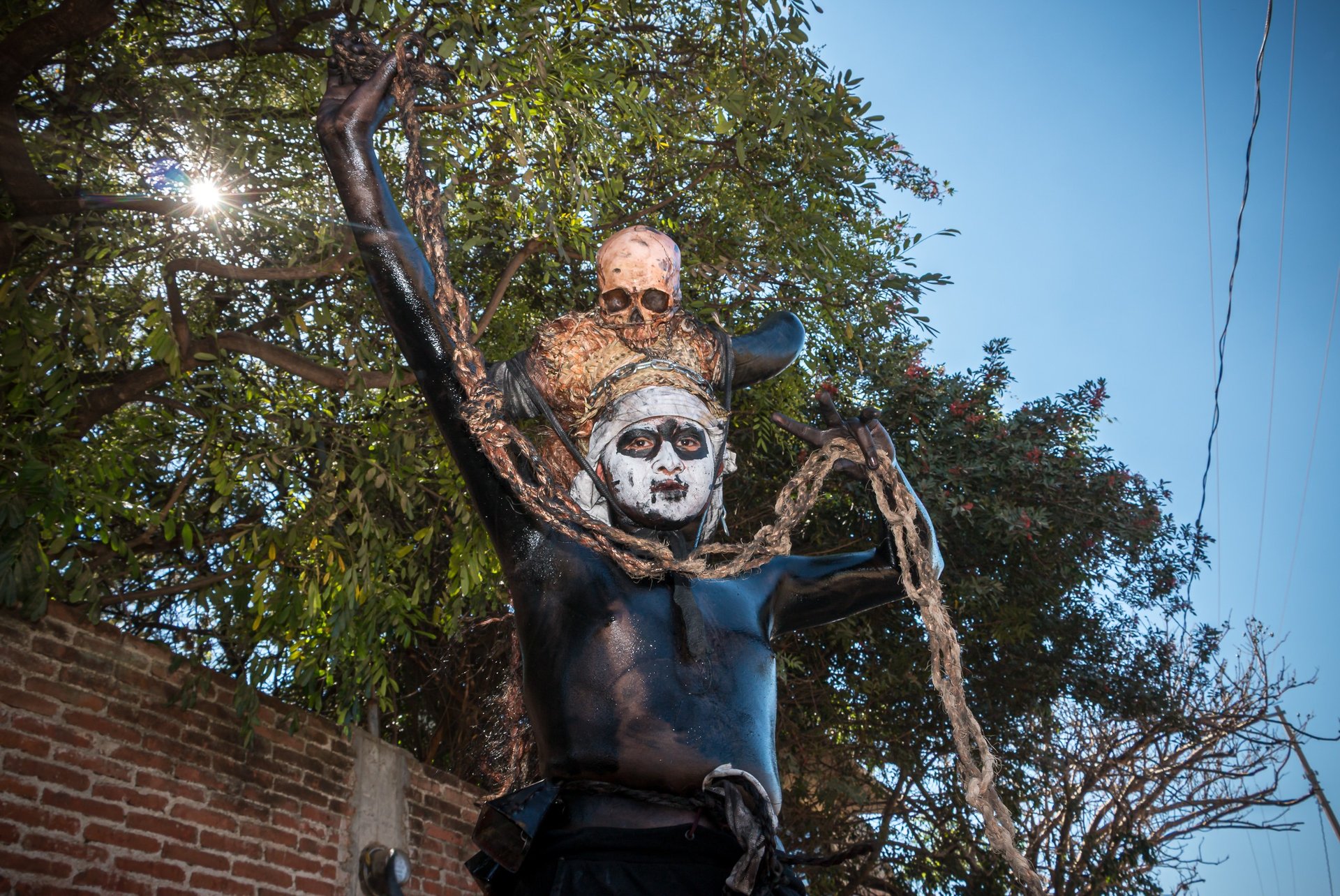
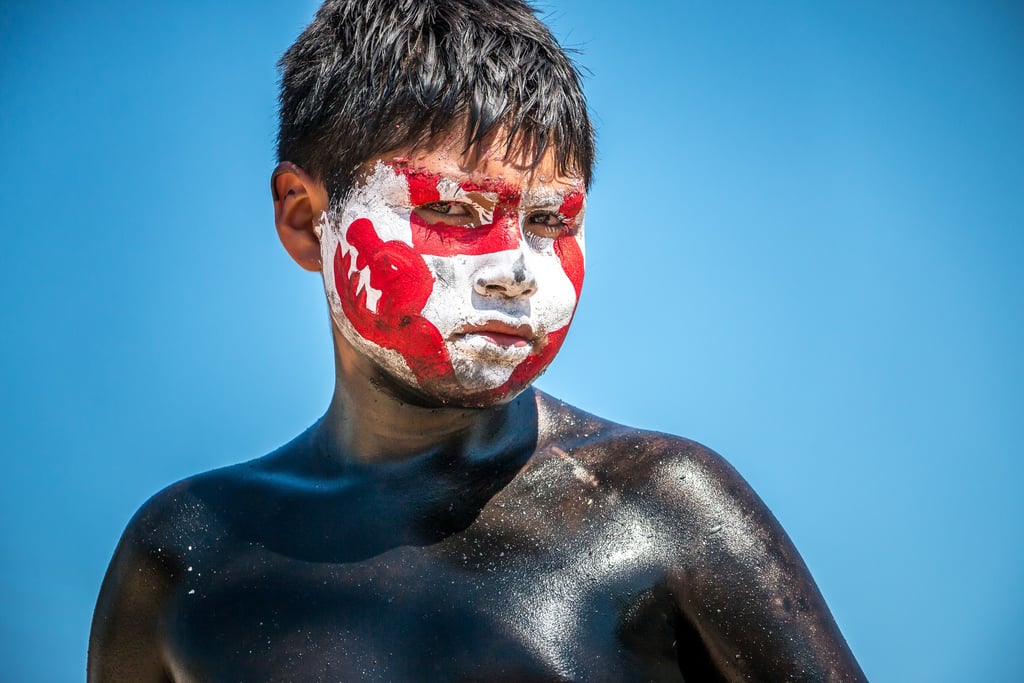
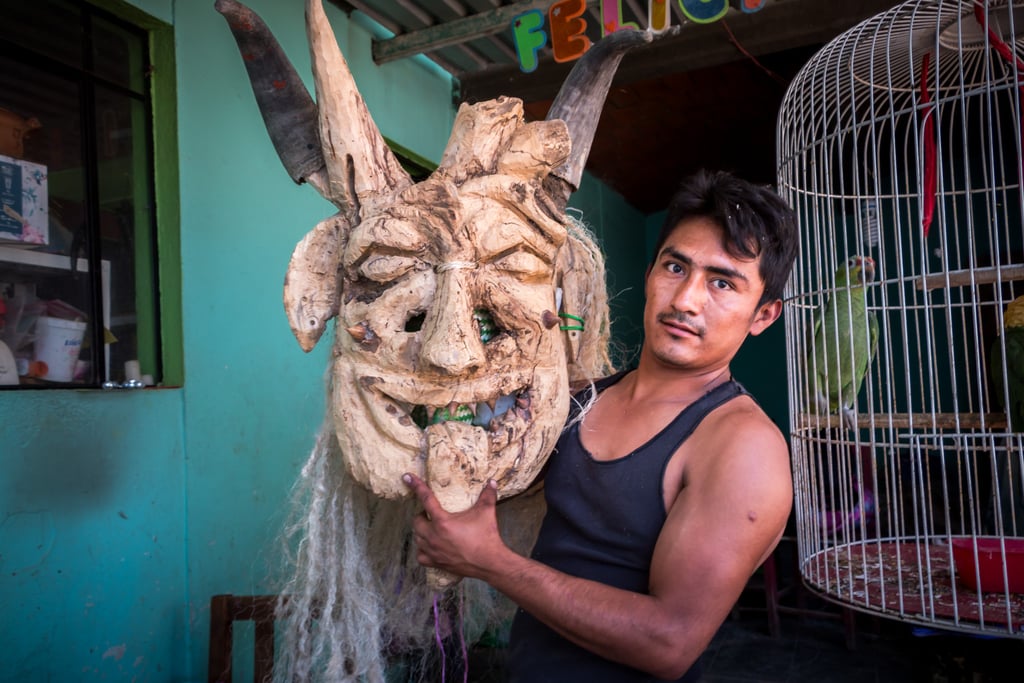
San Martín Tilcajete is internationally known for its hand-carved alebrijes, vividly painted wooden sculptures inspired by real and imagined animals. During Carnival, that same artistic tradition extends into the streets, where carved masks transform ordinary participants into mythical beings, devils, animals, and ancestral characters.


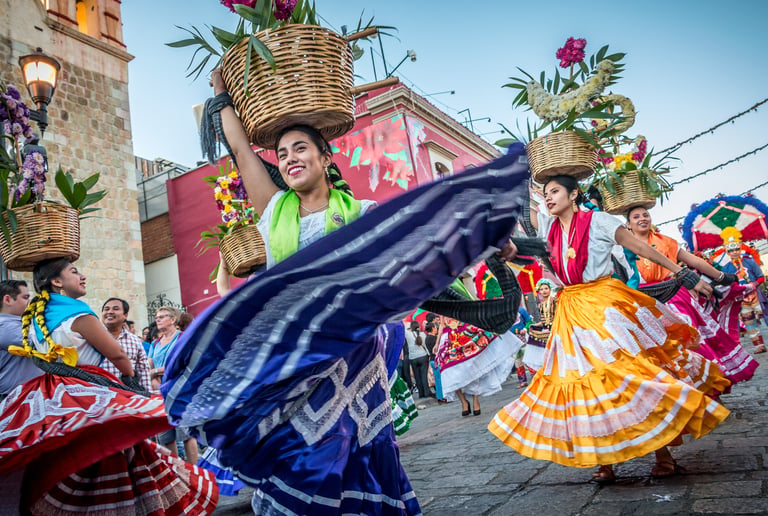
Brass bands accompany the procession throughout the celebration, providing the rhythms that carry dancers from one neighborhood to another. Music shapes the festival as much as the masks themselves.
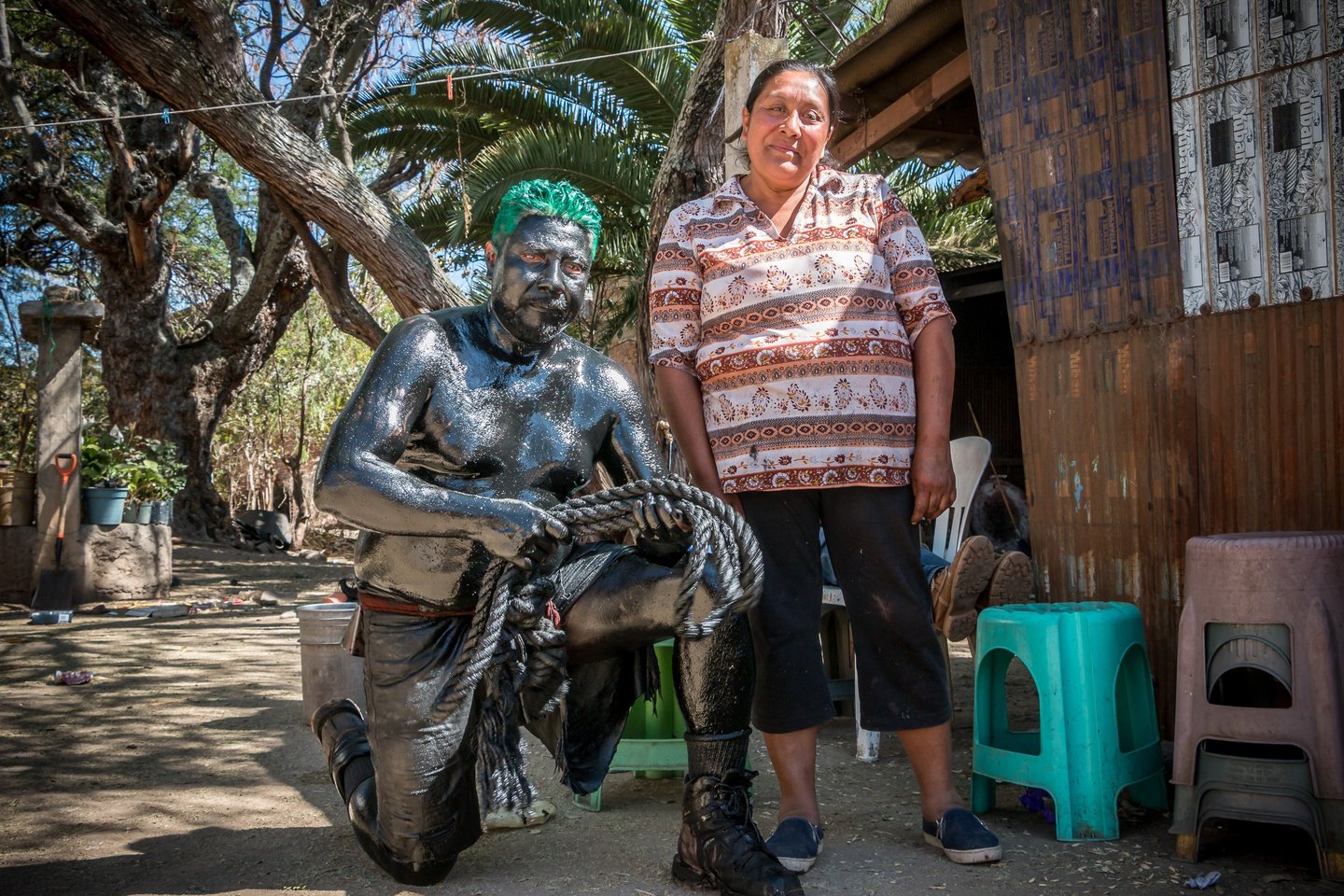
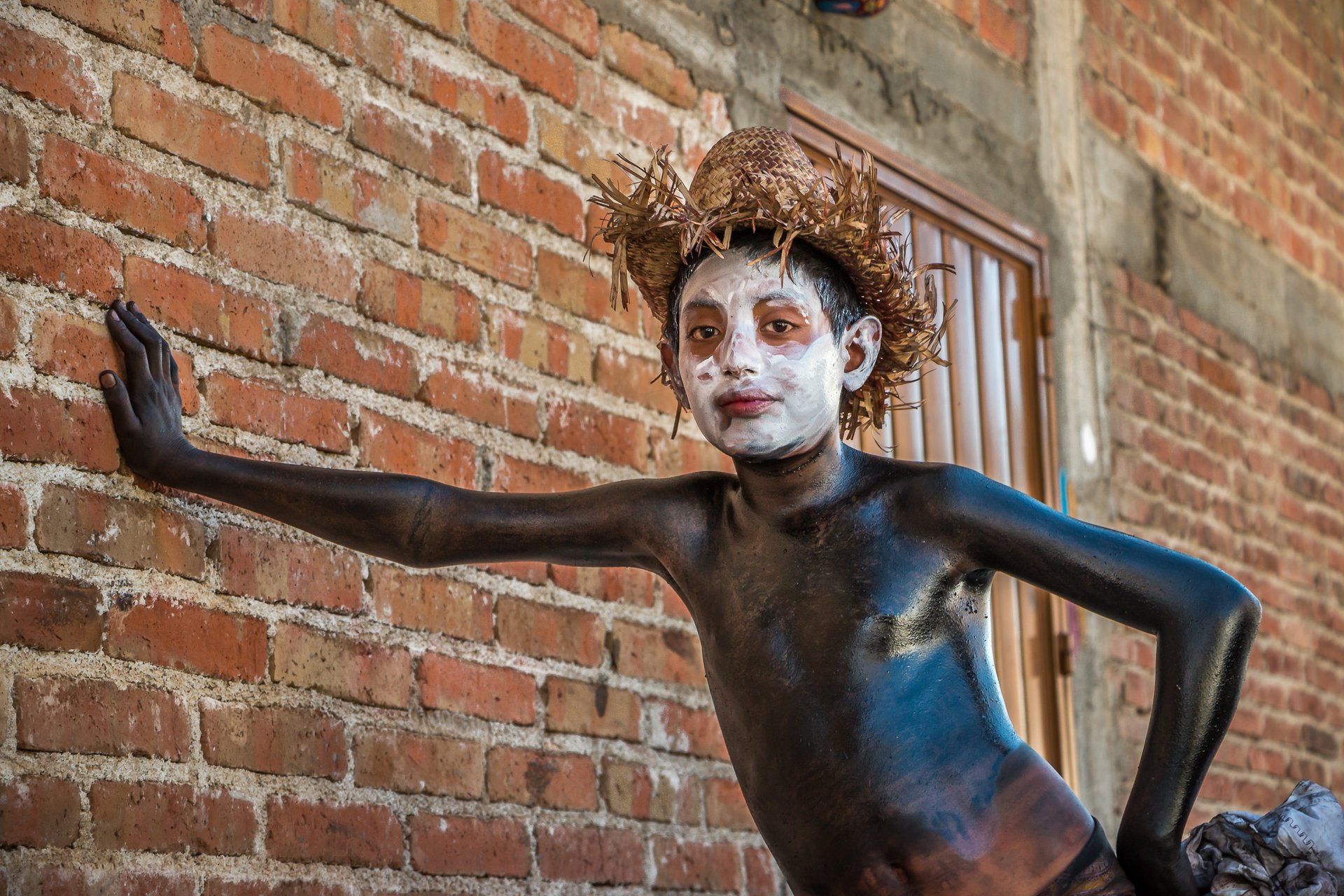
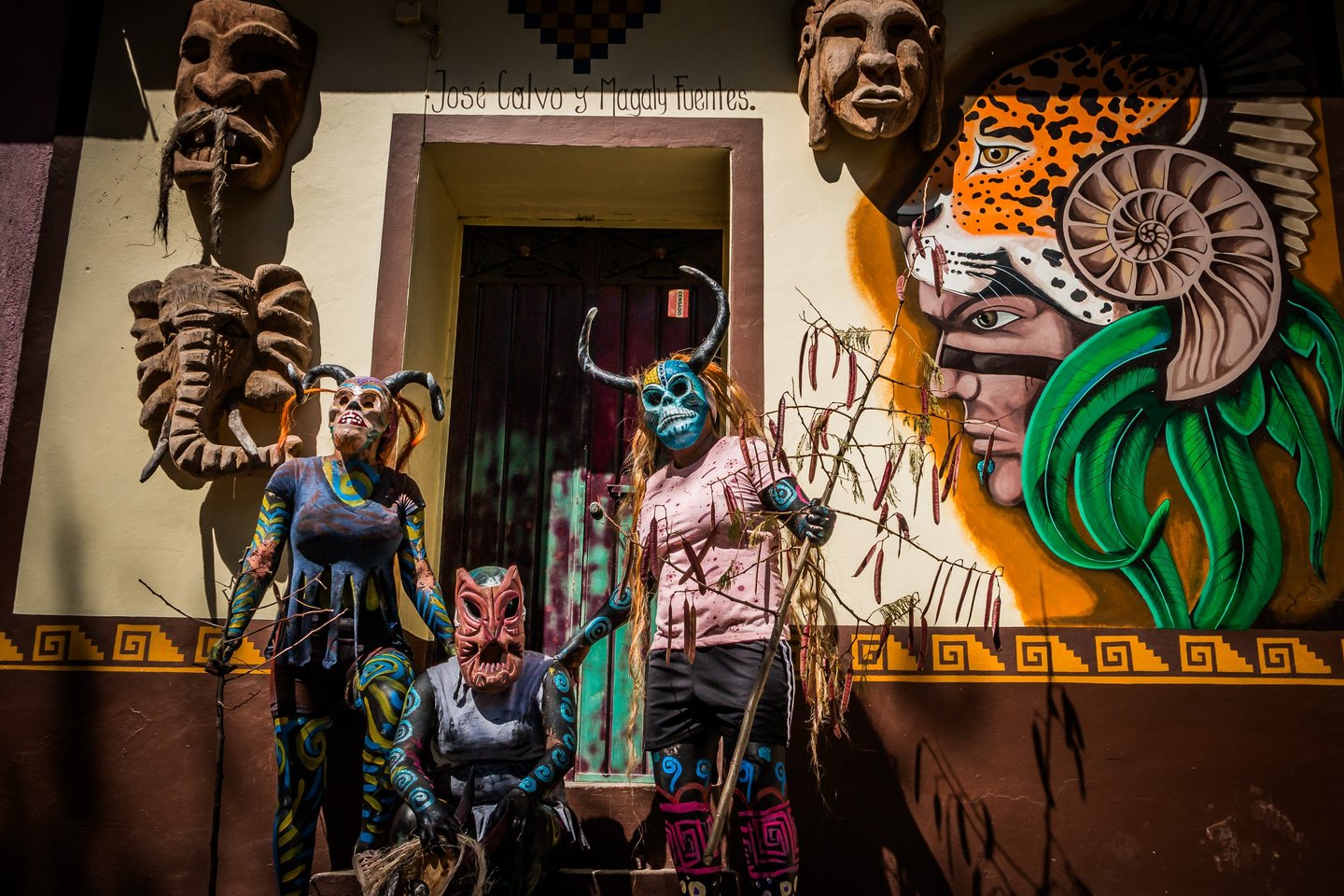
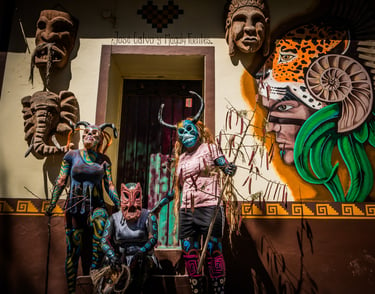
Wearing a mask allows participants to step briefly beyond everyday identity. Through costume, performance, and improvisation, Carnival becomes a space where humor, imagination, and tradition come together.
Carnival lasts only a few days, but it reflects traditions that are renewed throughout the year. In San Martín Tilcajete, the same hands that carve fantastical creatures also preserve stories, rituals, and ways of seeing the world. These photographs offer a glimpse into a celebration where art is not separate from daily life—it is one of the ways a community remembers, imagines, and renews itself.


Thank you to the friendly people and wonderful artists of San Martín Tilcajete
Thanks again for visiting!
© Raku Mayers Photography
All rights reserved
Images on this website may not be downloaded, copied, reproduced, scraped, used for machine learning, AI training, dataset creation, image synthesis, or derivative works without prior written permission.
Photography Workshops
Hear about future photography immersion workshops in destinations around the world.
Collector’s Club
Receive occasional news about new prints, special releases, and print sales.
RAKU⚡️PHOTO
Selected photographs from these galleries are available as fine art prints.
Please inquire for sizes and availability.