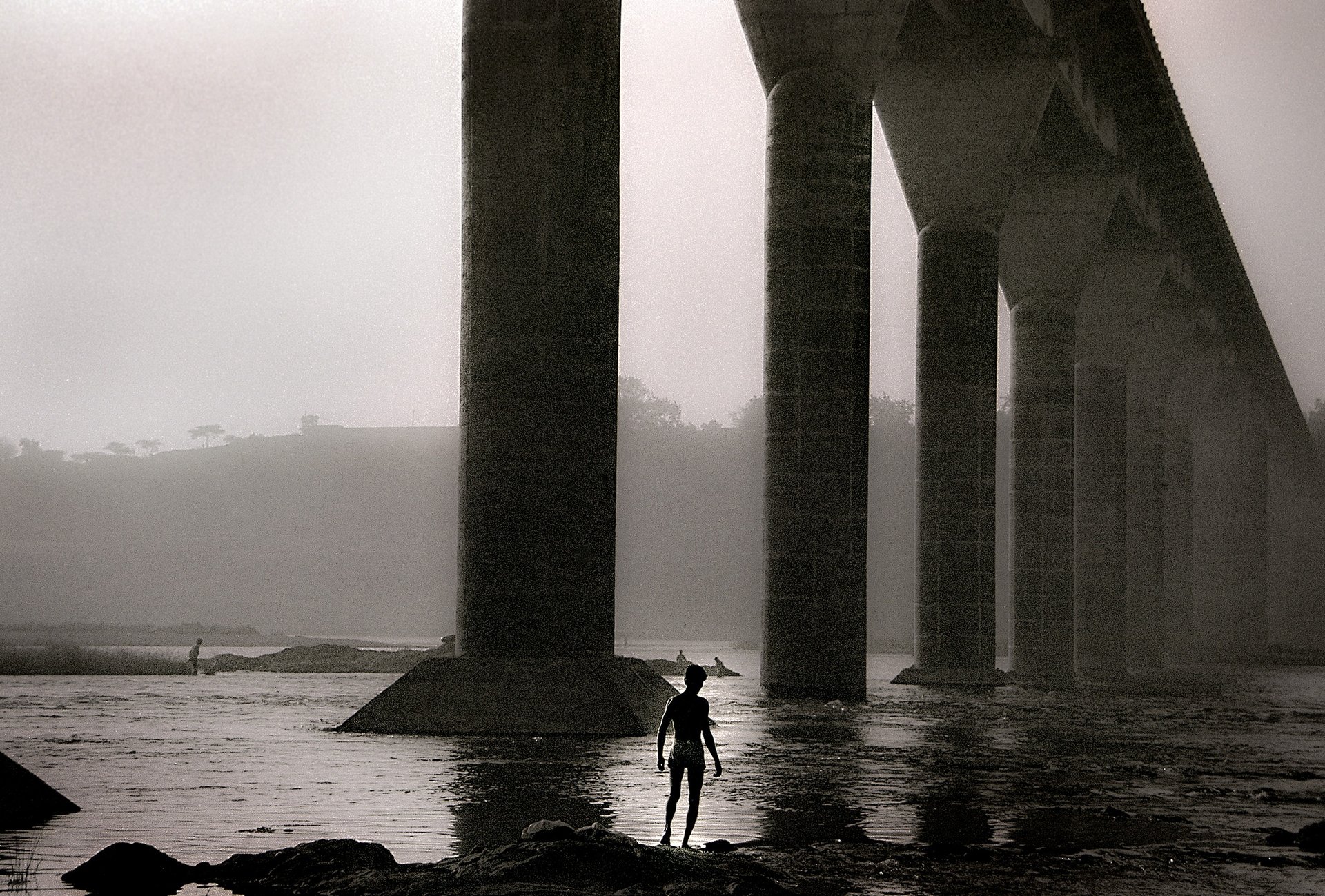
In Hindu tradition, the Narmada is revered as a goddess whose waters are believed to possess purifying power. Unlike many sacred rivers, devotion extends beyond temples to the river itself, whose flowing course is regarded as worthy of pilgrimage.
Narmada River Photography
Where a Sacred River Sustains Life
For centuries, the Narmada River has shaped the spiritual, cultural, and economic life of central India. Revered as one of the country's holiest rivers, it sustains farming communities, fishing villages, temple towns, and pilgrims who undertake the demanding Narmada Parikrama, walking the river's entire course as an act of devotion. At the same time, the Narmada has become the focus of profound environmental and social change, as large dam projects have transformed landscapes and displaced communities whose lives have long depended on its waters.
This documentary photography gallery follows everyday life along the river, where ritual, labor, celebration, and quiet moments unfold beside a waterway that is both sacred and life-giving. Together, these photographs explore the enduring relationship between people and place, revealing a river whose significance extends far beyond its banks.
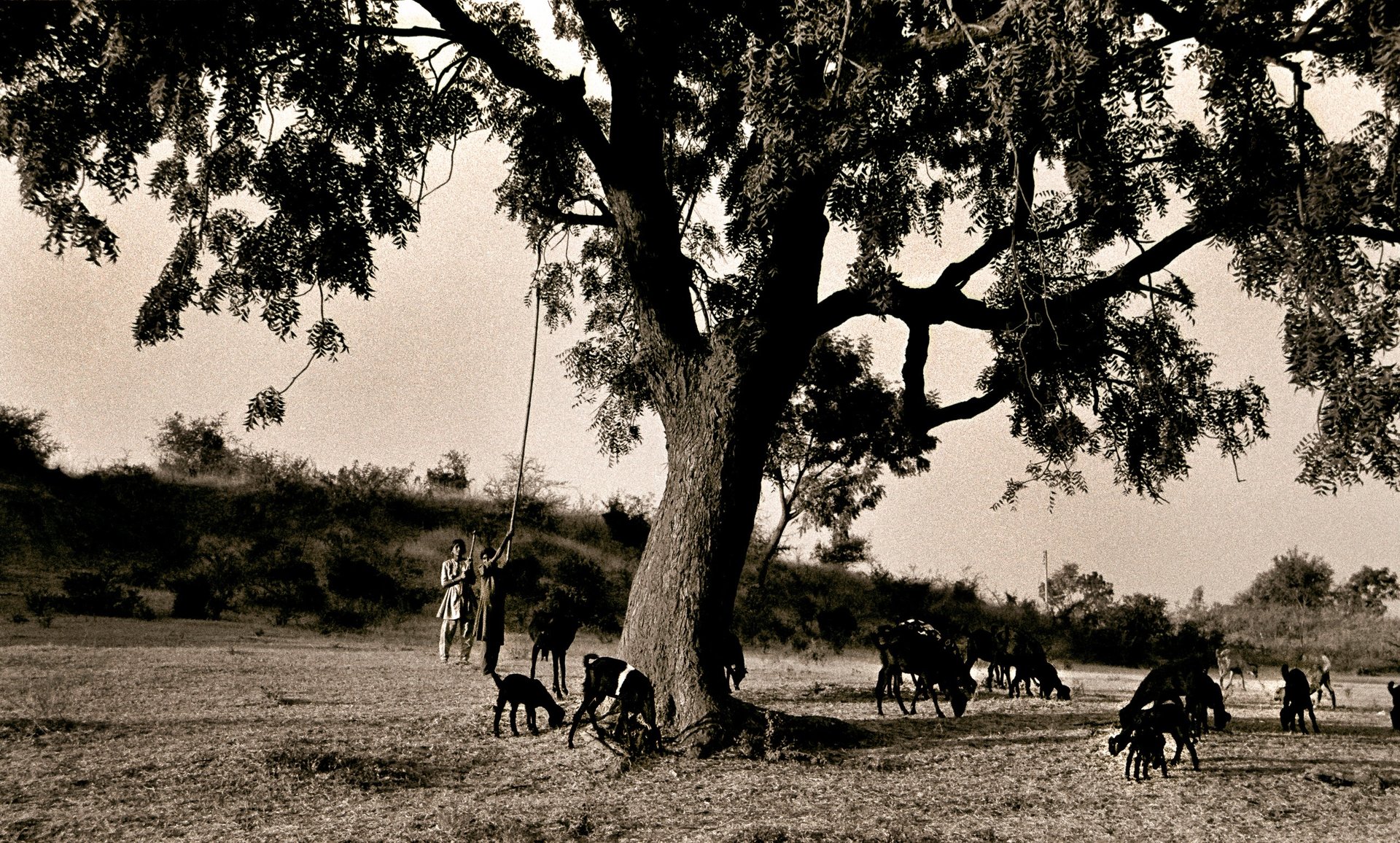
Rising in the forests of Amarkantak, the Narmada flows more than 1,300 kilometers westward across central India before reaching the Arabian Sea. Along its course, it passes through forests, fertile valleys, historic temple towns, and countless villages whose rhythms of life remain closely tied to the river.
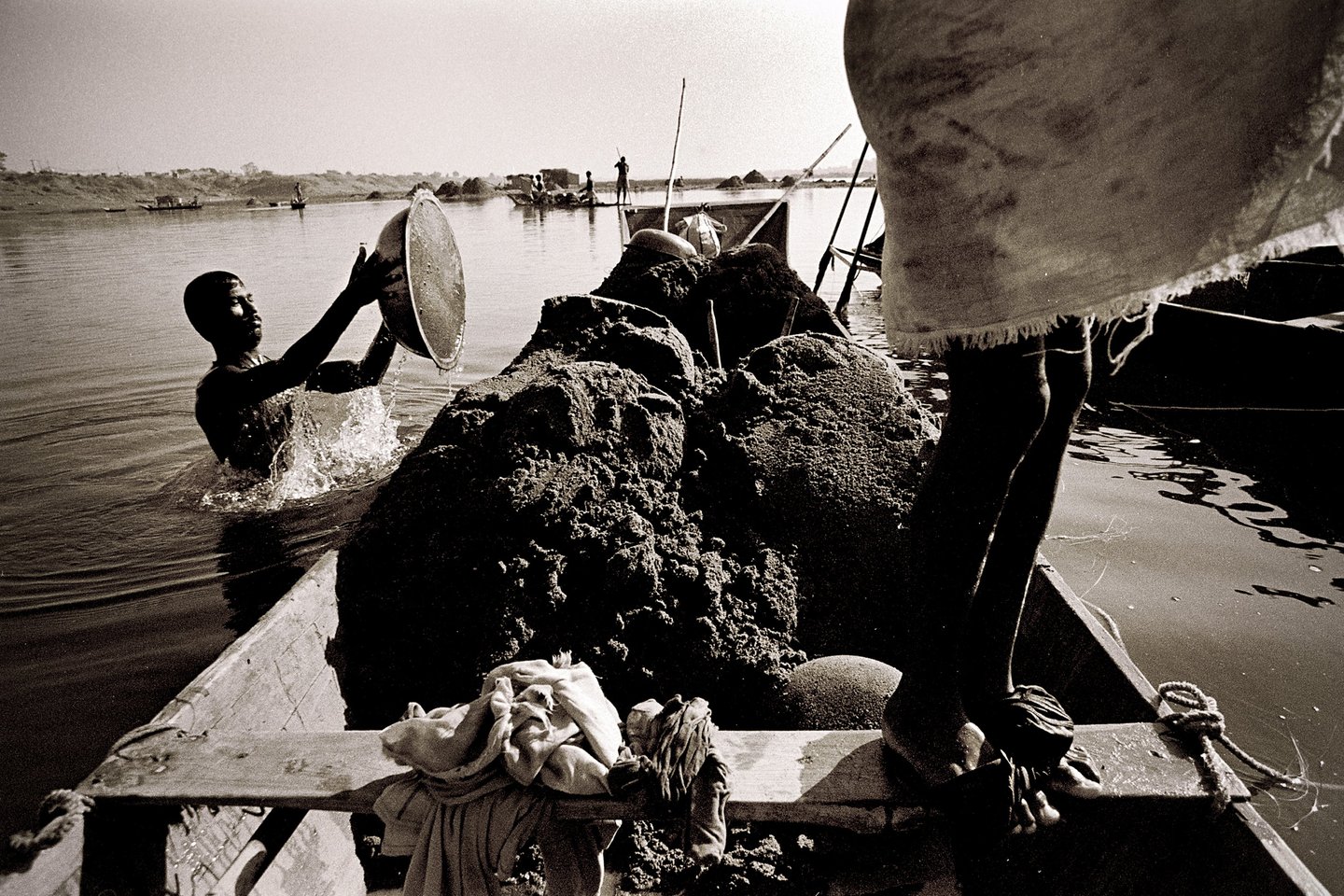
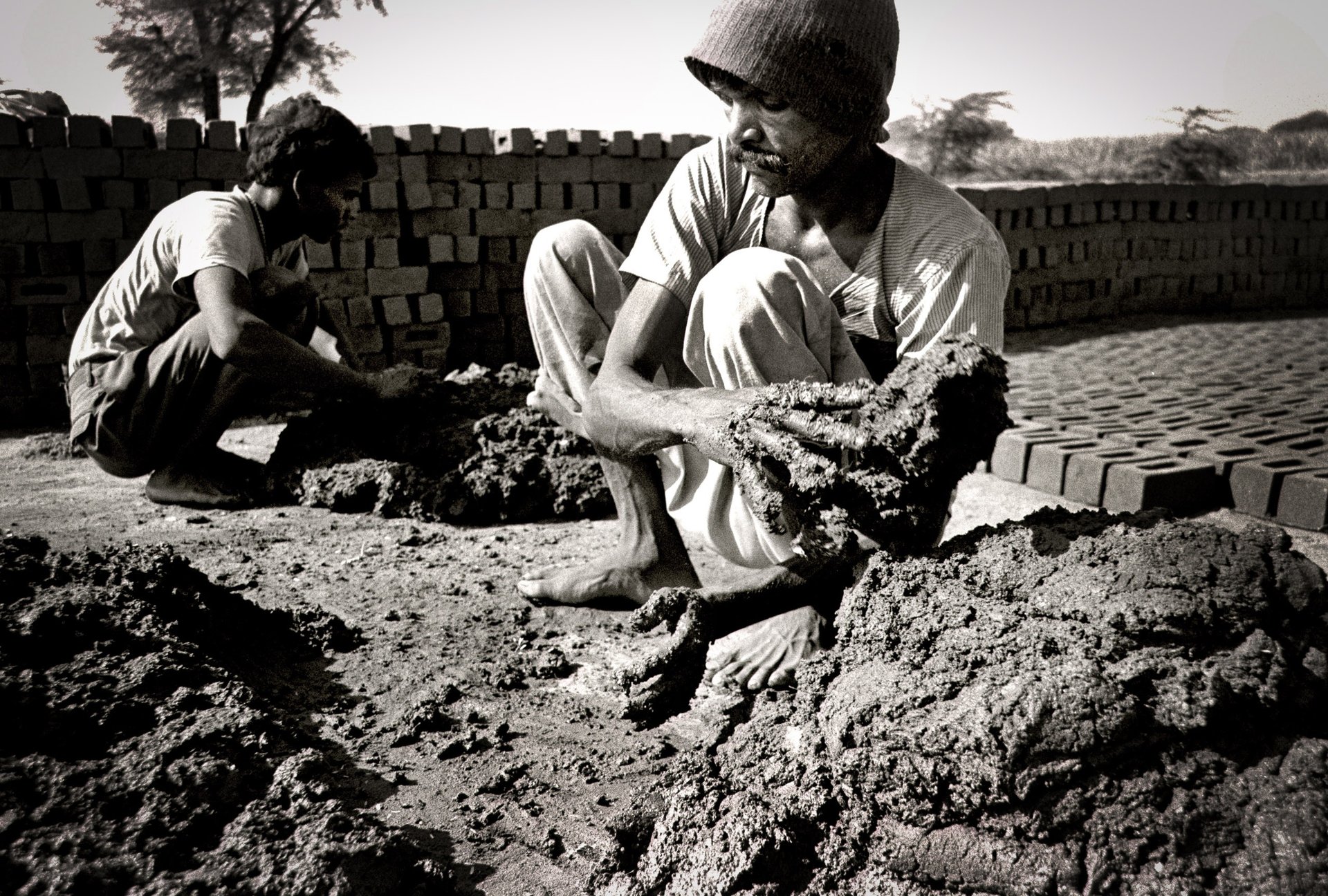
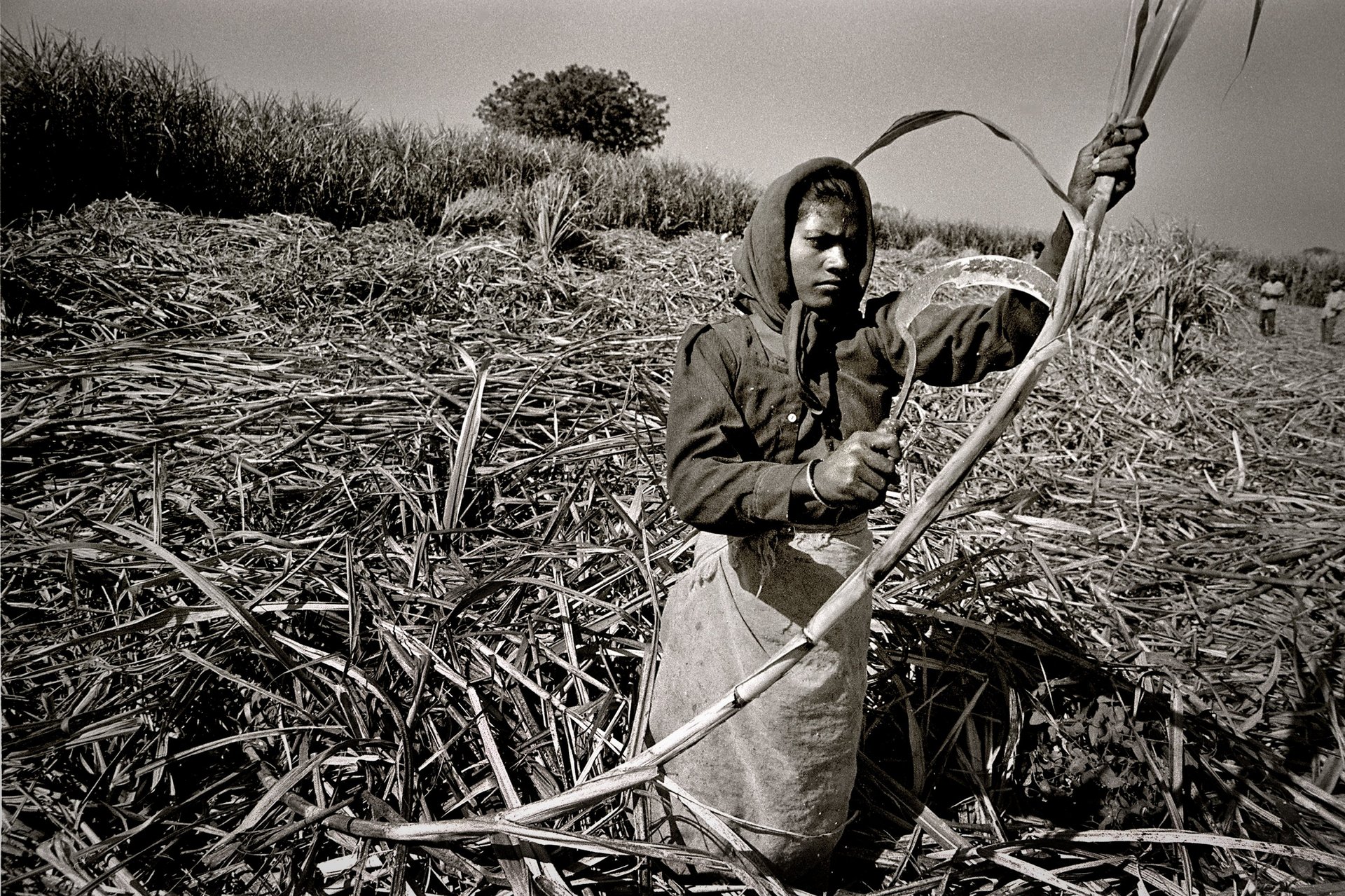
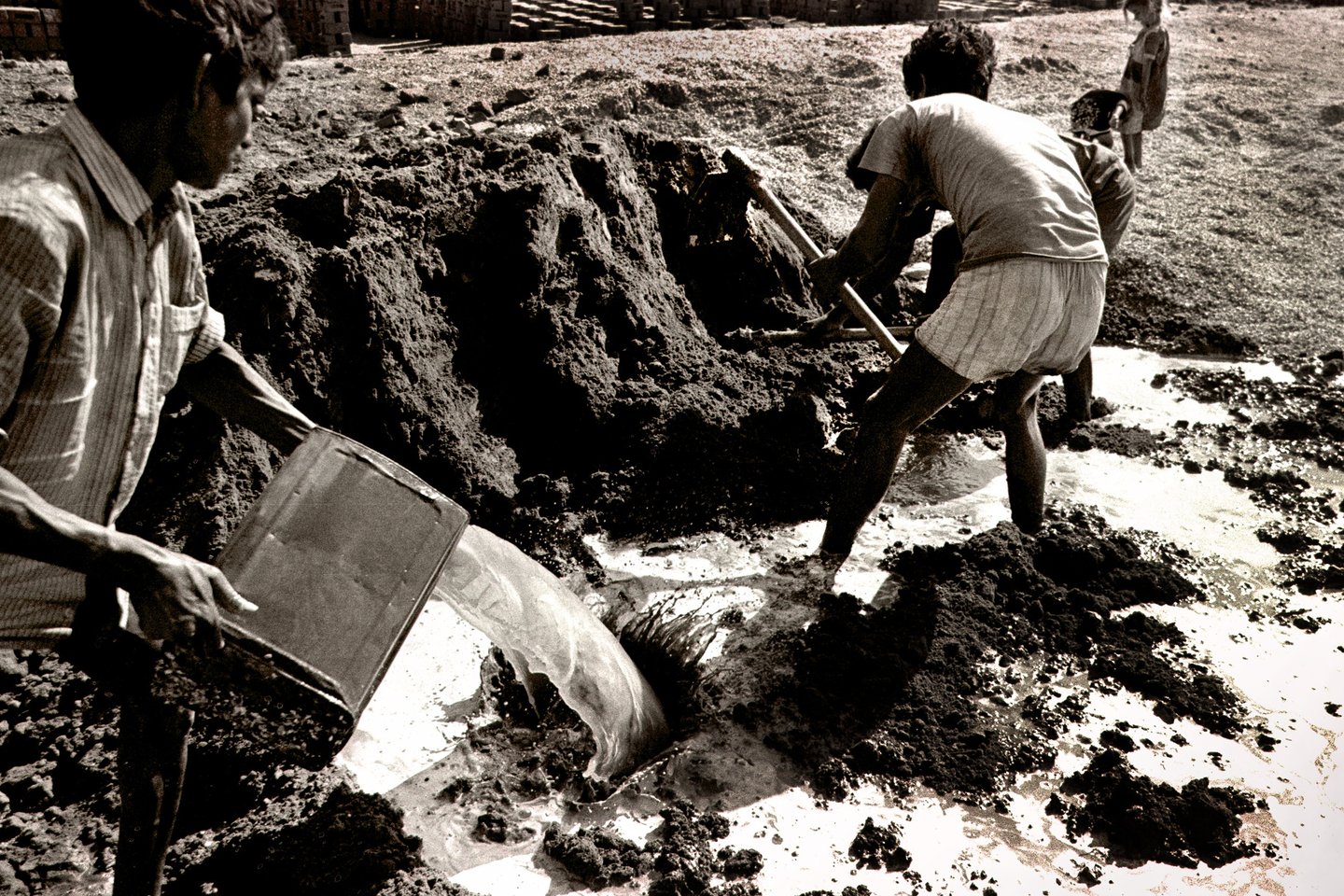
The Narmada supports fishing, agriculture, pottery, ferry crossings, sand collection, and countless other occupations. For many families, the river is not simply part of the landscape but the foundation of everyday life.
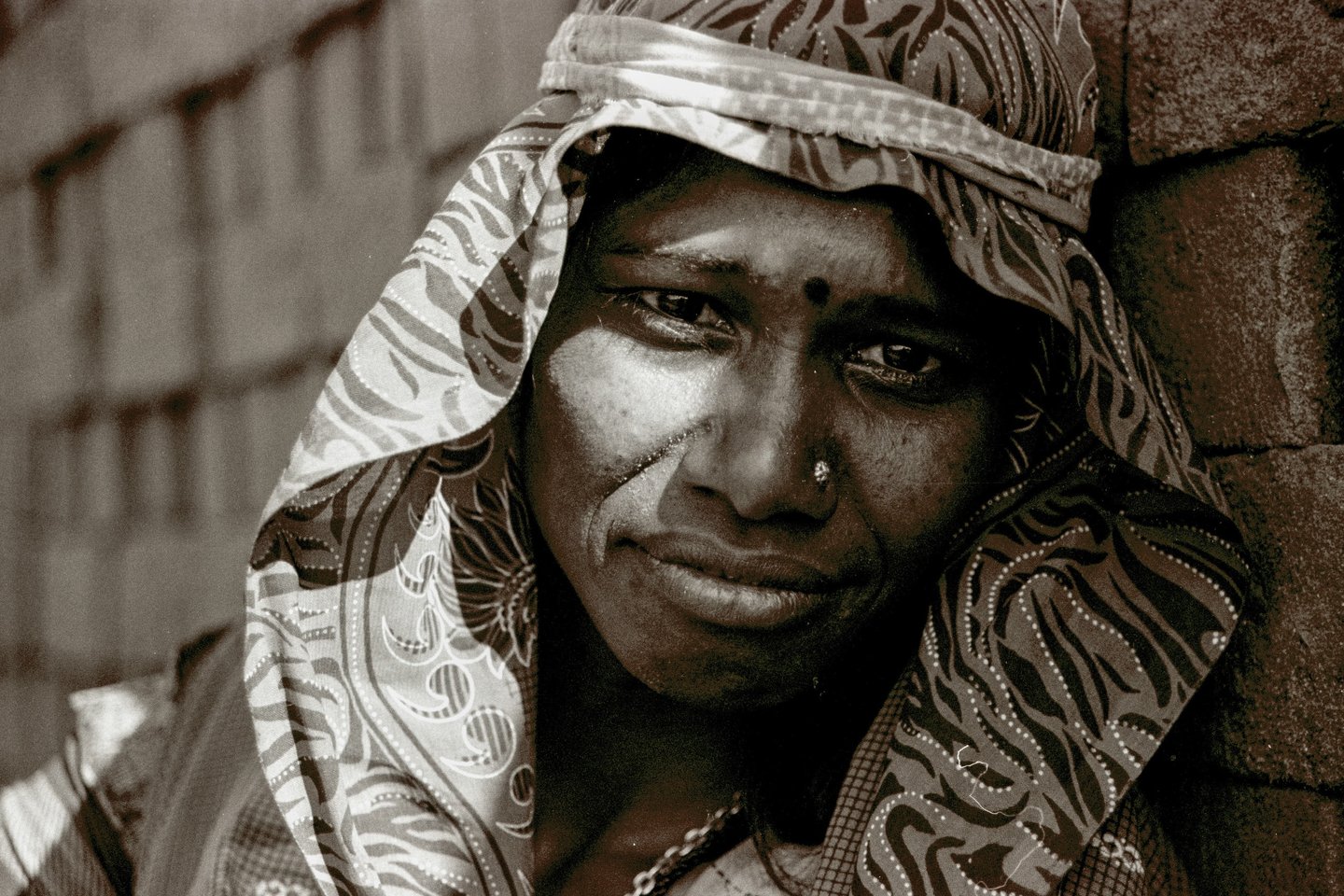

A River, a Dam, and a Landscape Facing Inundation
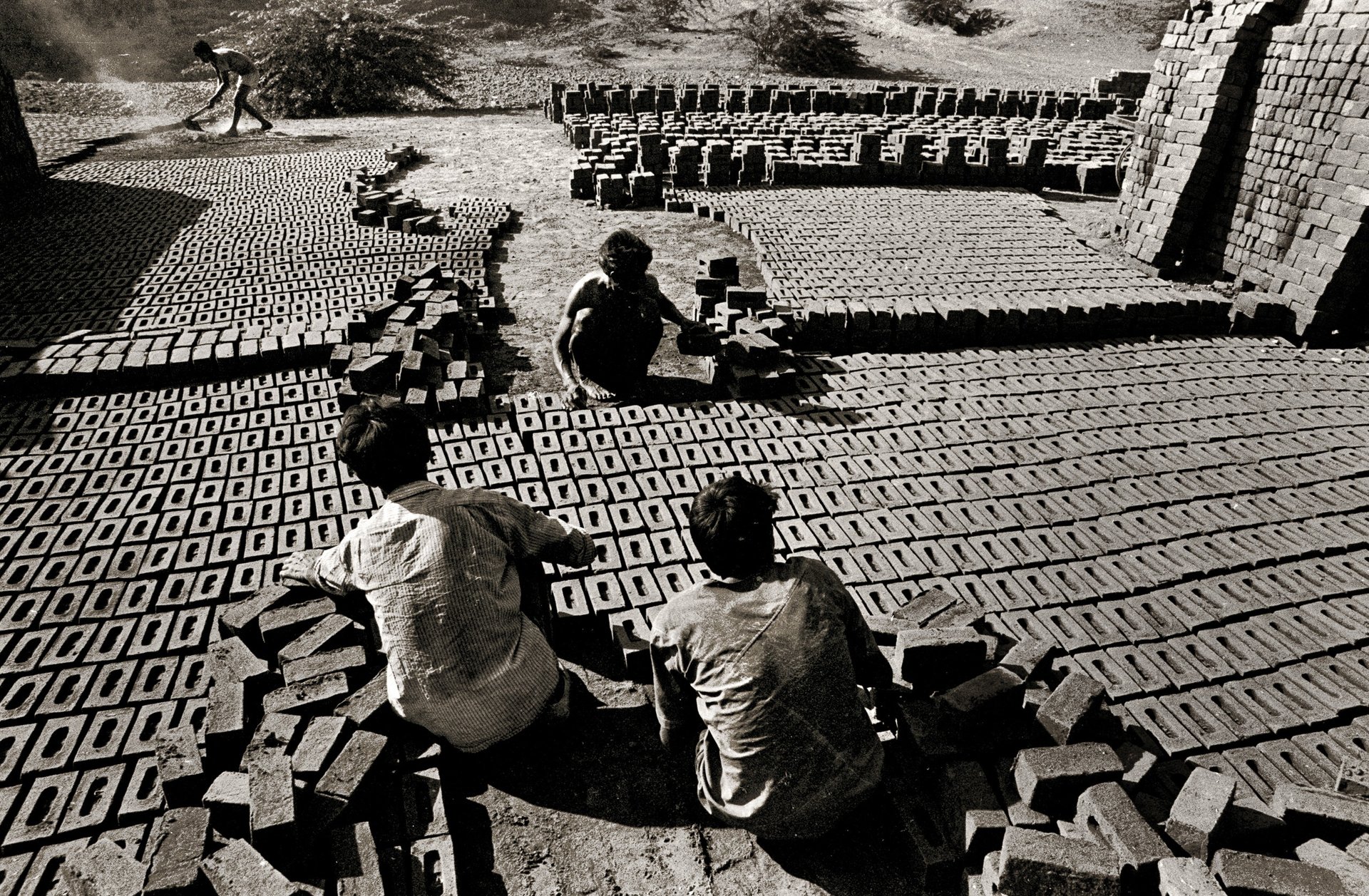
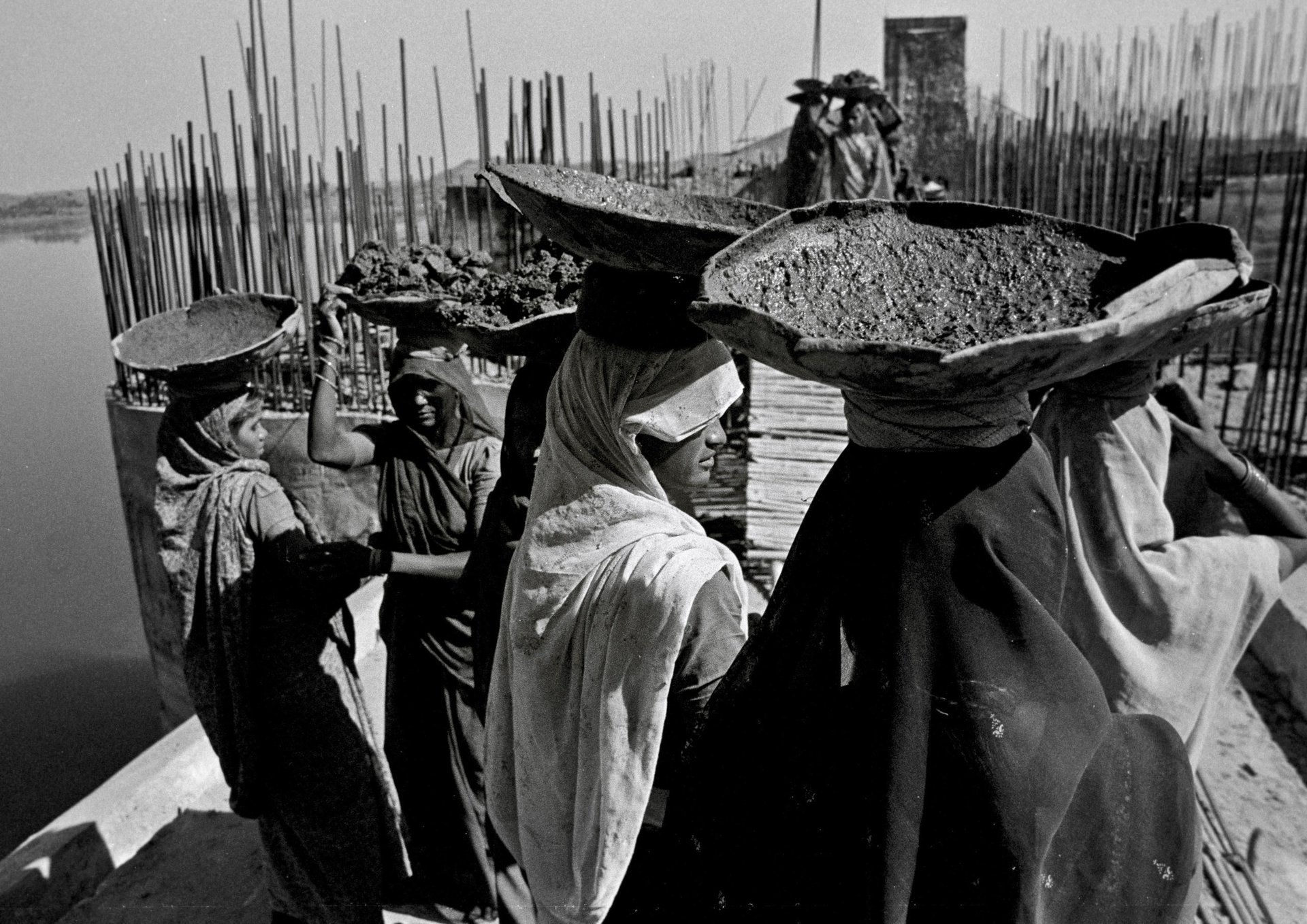
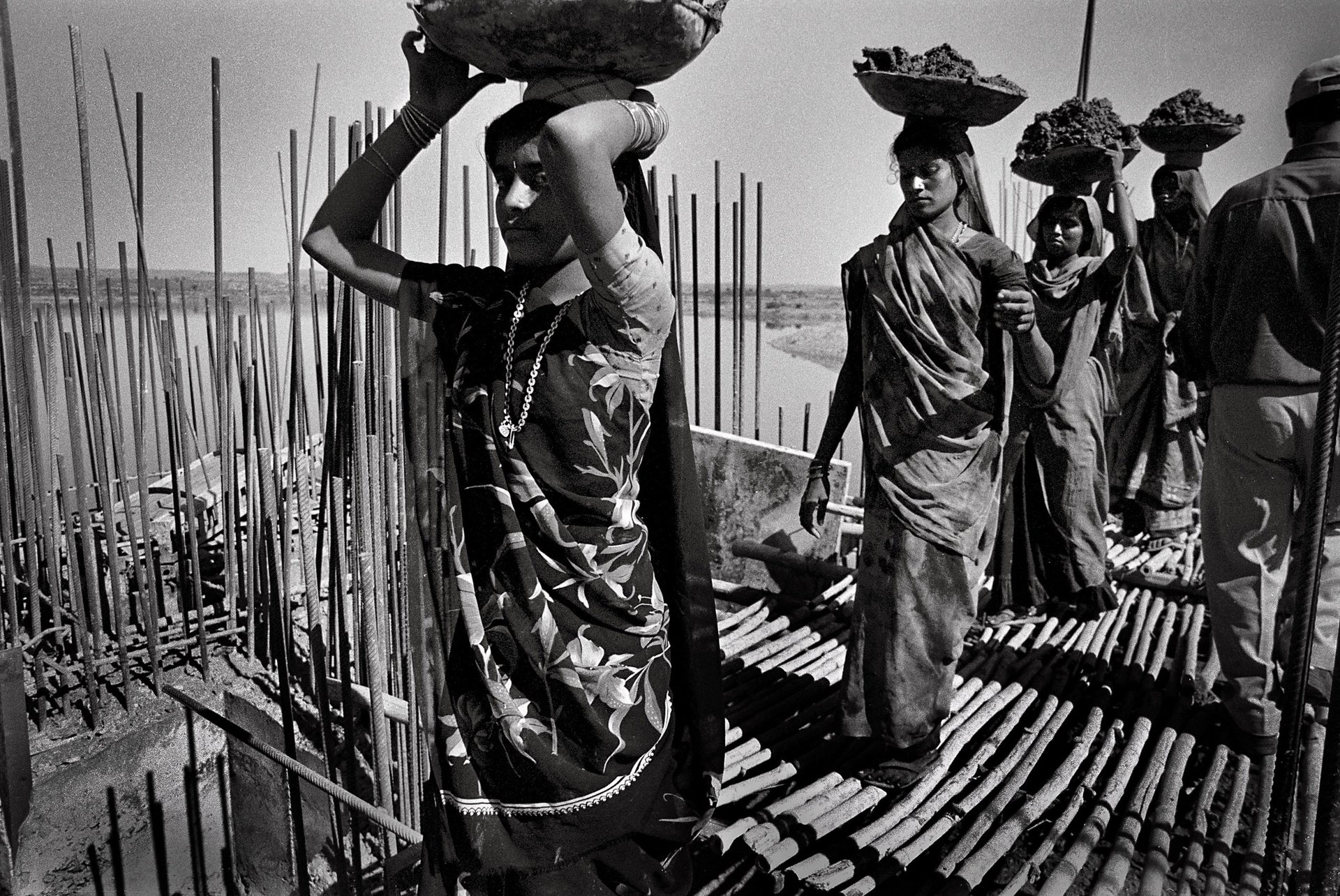
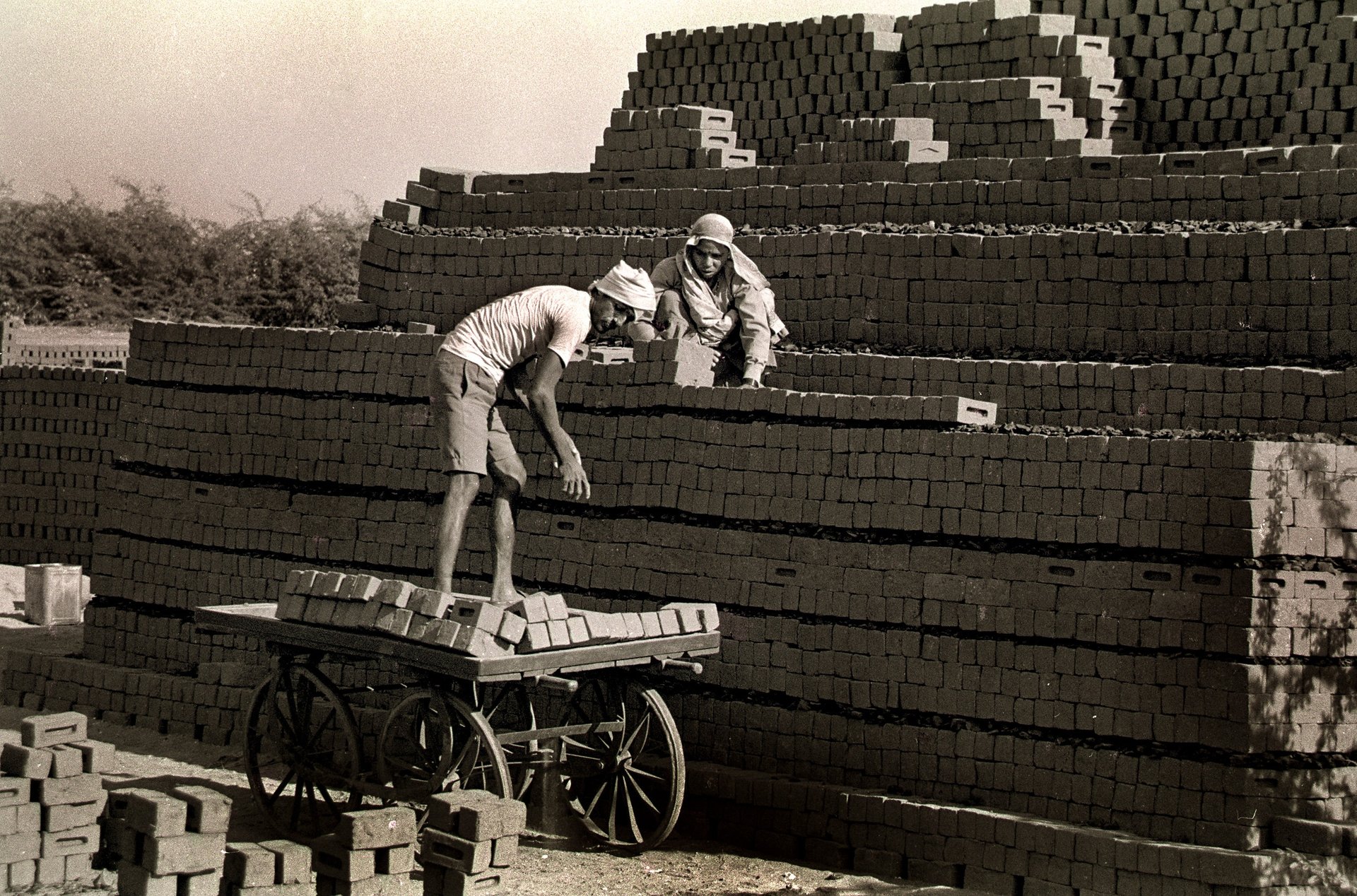
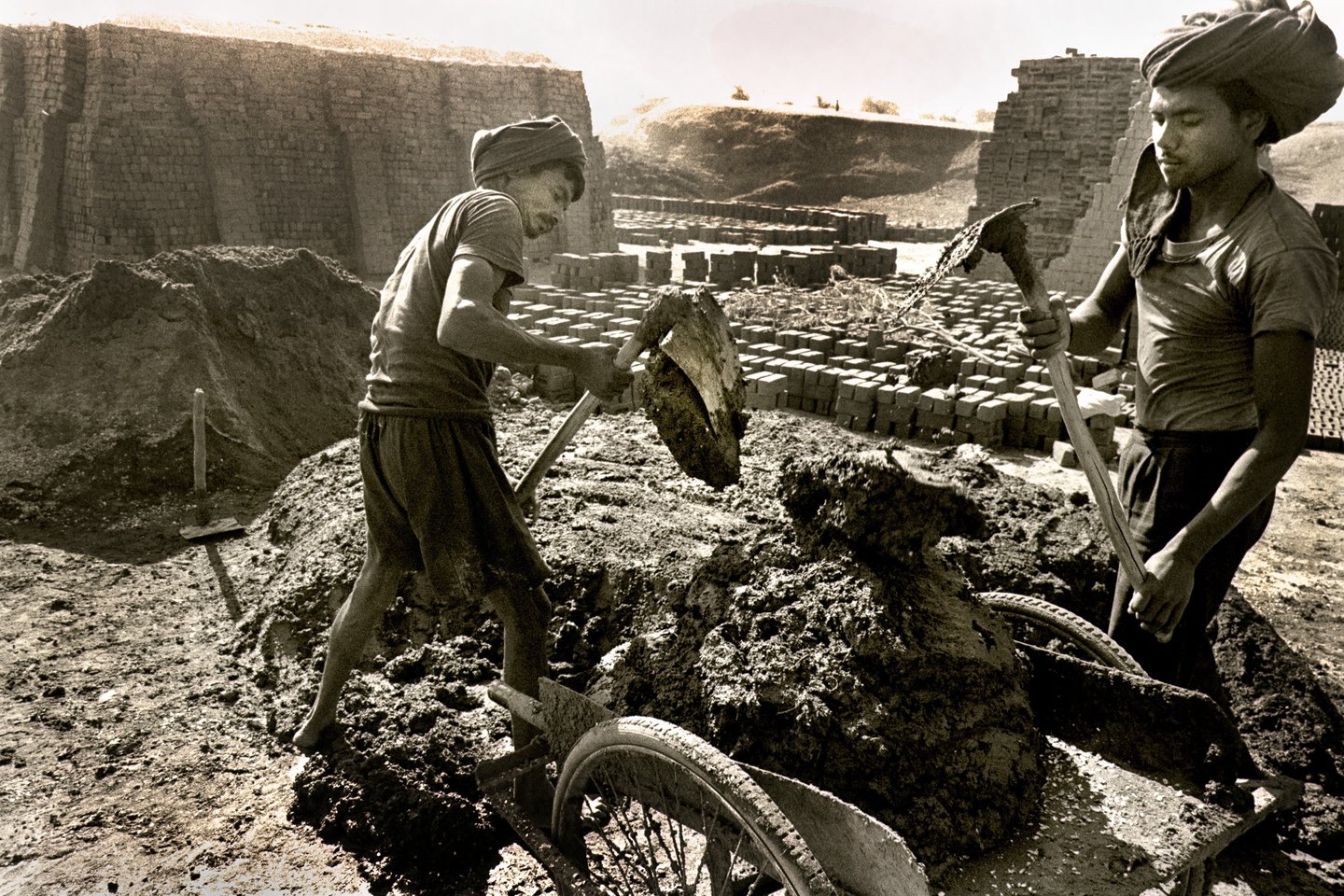
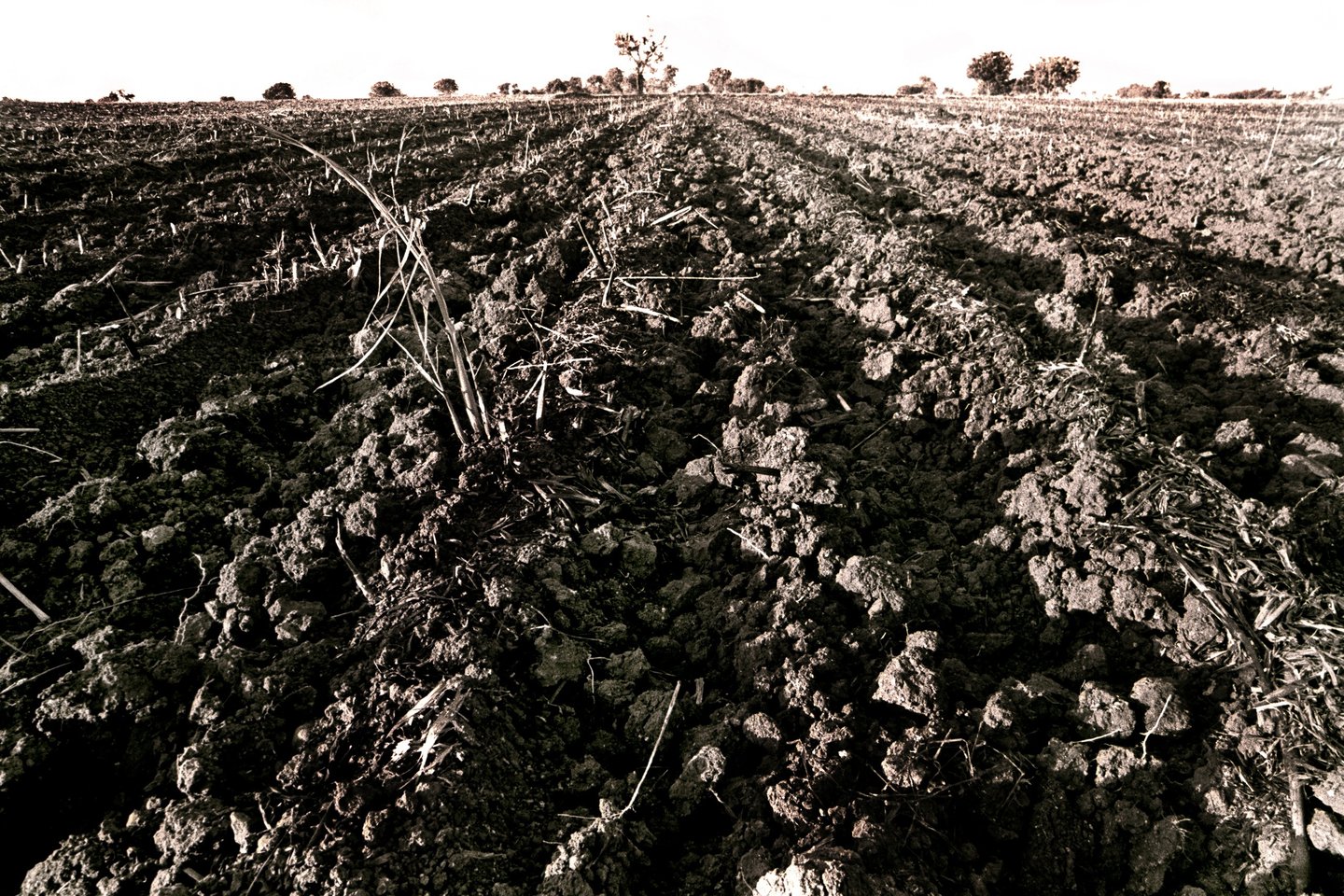
Along the Narmada, everyday work is inseparable from the river and the land surrounding it. Families farm its fertile banks, fish its waters, cross by boat, collect materials from the riverbed, and shape local earth into bricks that are stacked, fired, and carried away from temporary kilns. These livelihoods form part of a landscape in which the river is not scenery but sustenance.
When these photographs were made, communities along parts of the Narmada Valley were living with another reality: land that had been cultivated for generations, homes, sacred places, and in some cases entire villages stood within areas expected to be submerged as reservoirs behind large dams filled.
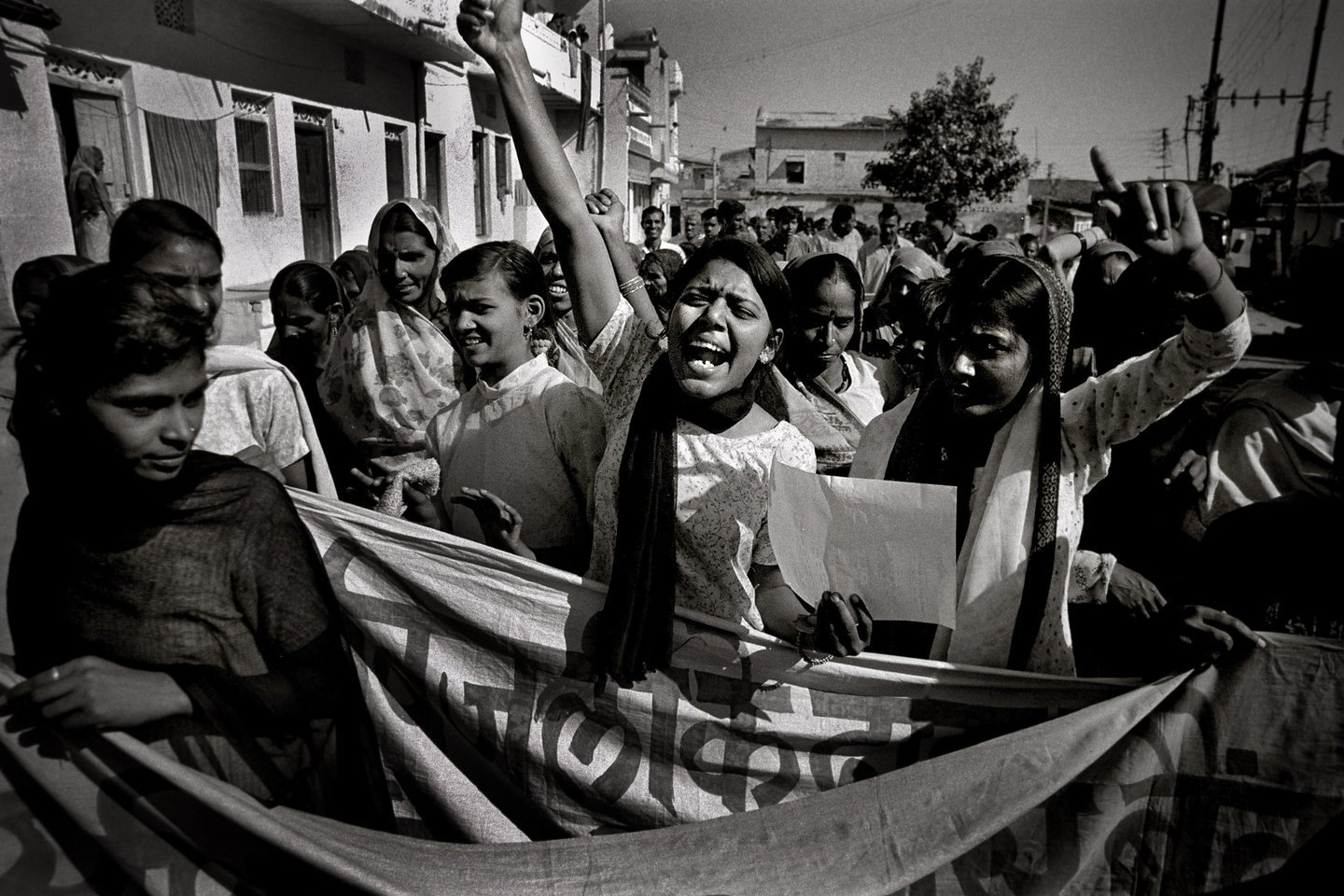
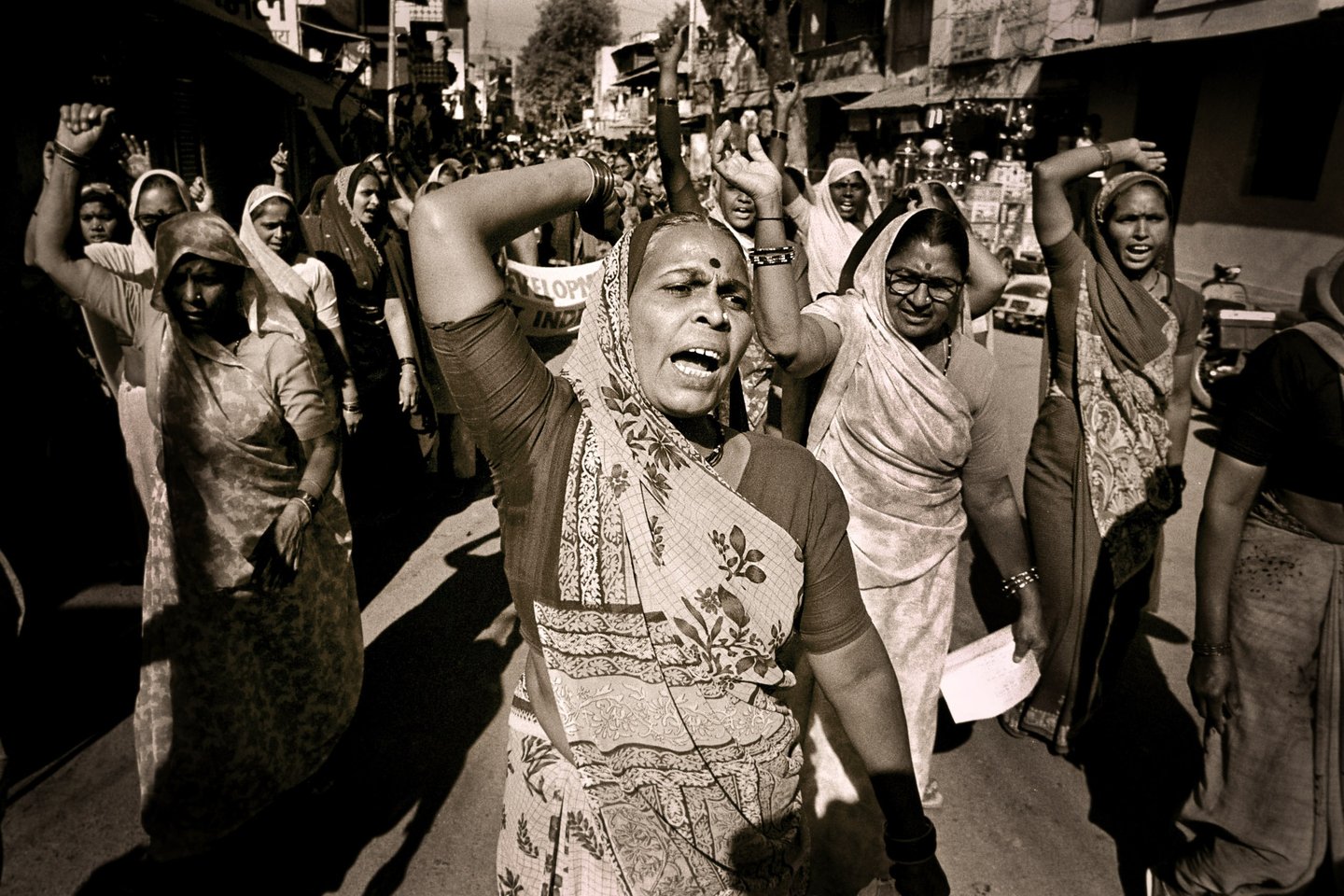
Resistance to those projects became one of India's most significant environmental and social movements. Villagers, farmers, Indigenous and Adivasi communities, activists, and supporters organized marches, demonstrations, hunger strikes, and long campaigns demanding protection of the valley and fair treatment for people facing displacement. The Narmada Bachao Andolan brought international attention to questions that extended far beyond the construction of a dam: who benefits from development, who bears its costs, and what is lost when a living landscape disappears beneath a reservoir.
For communities along the river, what faced inundation could not be measured only in acres. Farmland meant livelihood and inheritance. Villages carried generations of memory and social connection. Temples, shrines, ghats, trees, paths, and places of pilgrimage gave physical form to a sacred geography.
These photographs document a moment before some of those landscapes were transformed—a river still flowing through fields, villages, workplaces, and places of worship whose futures had already become uncertain.

Unlike most pilgrimages, the Narmada Parikrama follows an entire river rather than a single destination. Pilgrims walk one bank from the river's source to its mouth before returning along the opposite bank, a journey that can take more than a year. Along the way they depend on hospitality, temples, and riverside communities, treating the Narmada not simply as water, but as a living mother.
Every morning the river becomes a gathering place. Farmers irrigate their fields, fishermen prepare their nets, children swim, families wash clothes, and worshippers perform rituals at the water's edge. Sacred and ordinary life often unfold side by side.
Stone ghats create places where people bathe, pray, gather, celebrate festivals, and mourn loved ones. Throughout central India, they serve as both practical river access and important public spaces.
Over recent decades, dams and reservoirs have transformed sections of the Narmada, altering seasonal water levels, reshaping ecosystems, and changing the lives of many riverside communities. Even so, traditional relationships with the river continue in places where daily life remains closely connected to its waters.
Rivers rarely stand still. Light changes, water rises and falls, people arrive and depart, and seasons reshape familiar places. The photographs in this gallery capture only brief moments within a landscape defined by constant movement.
Thanks again for visiting!
© Raku Mayers Photography
All rights reserved
Images on this website may not be downloaded, copied, reproduced, scraped, used for machine learning, AI training, dataset creation, image synthesis, or derivative works without prior written permission.
Photography Workshops
Hear about future photography immersion workshops in destinations around the world.
Collector’s Club
Receive occasional news about new prints, special releases, and print sales.
RAKU⚡️PHOTO
Selected photographs from these galleries are available as fine art prints.
Please inquire for sizes and availability.