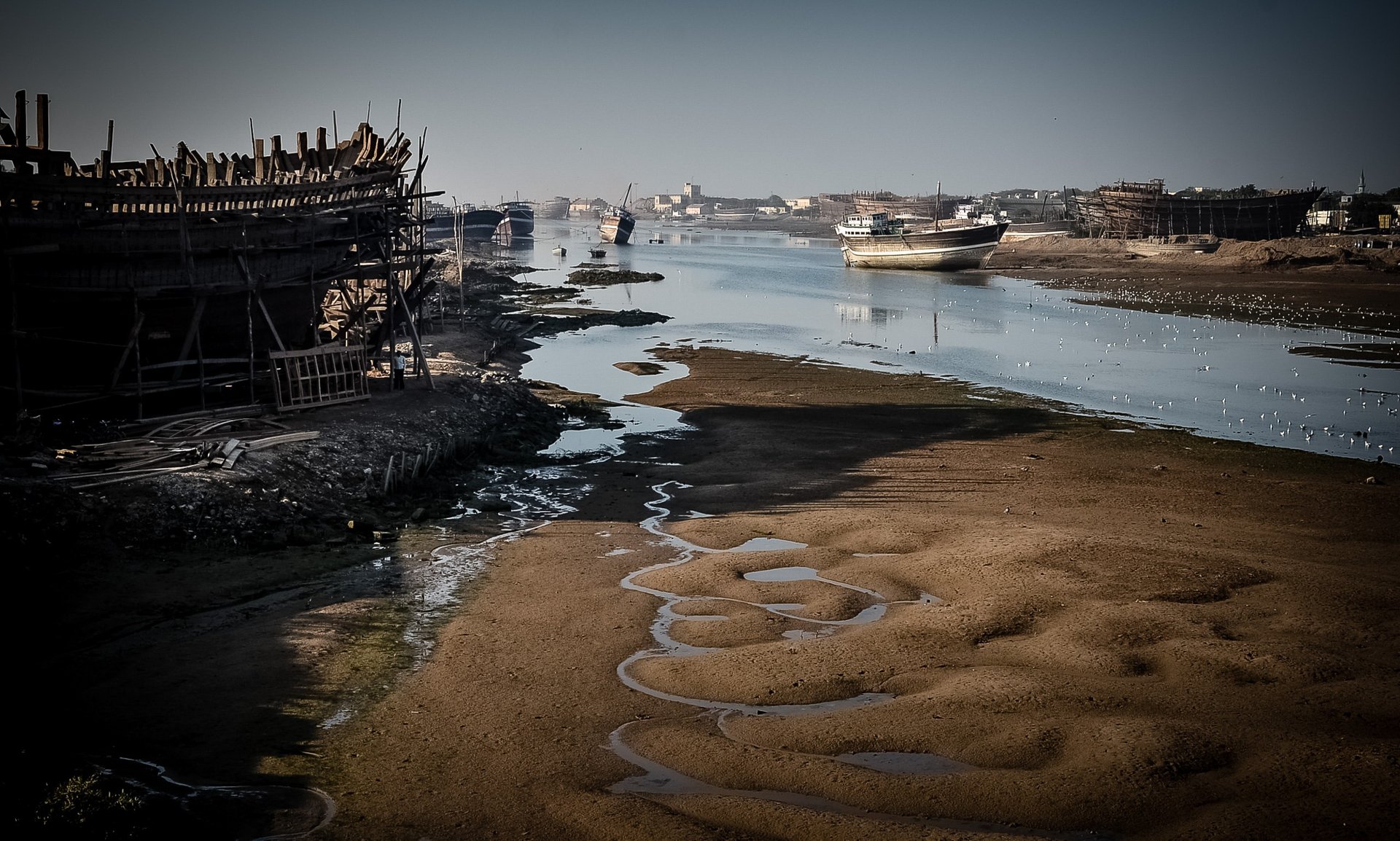
Traditional Wooden Shipbuilding in Mandvi
Where Timber Meets the Tide: Building Ships By Hand
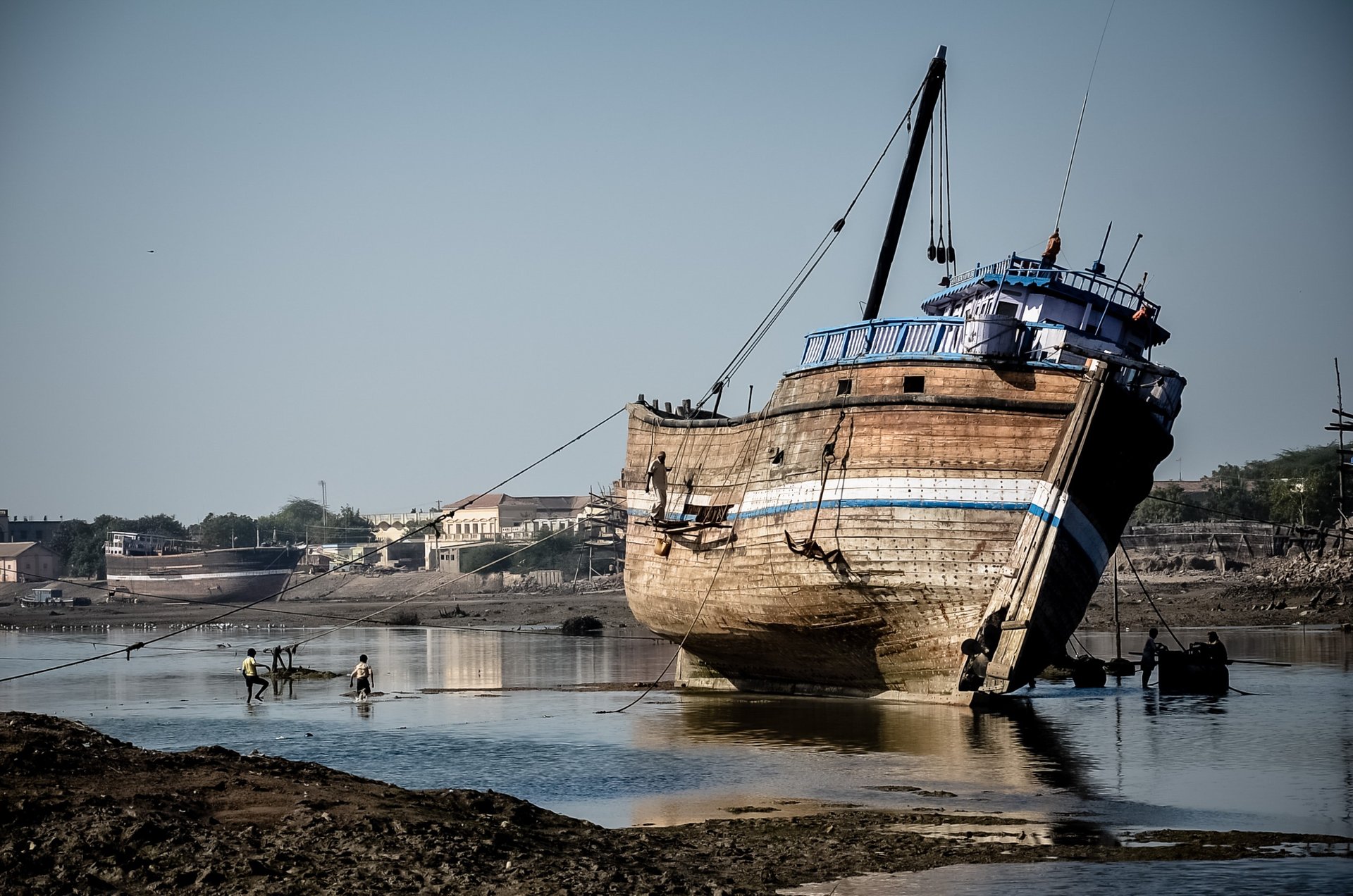
Before steel transformed the world's shipyards, great wooden vessels carried merchants, pilgrims, and explorers across the Indian Ocean. In Mandvi, that tradition has never entirely disappeared. Along the coast of Gujarat, skilled artisans continue to build traditional wooden trading vessels, including the iconic dhow, using techniques passed down through generations. These photographs explore a place where history remains alive—not in museums or monuments, but in the rhythm of saws, chisels, hammers, and the hands of the shipbuilders themselves.
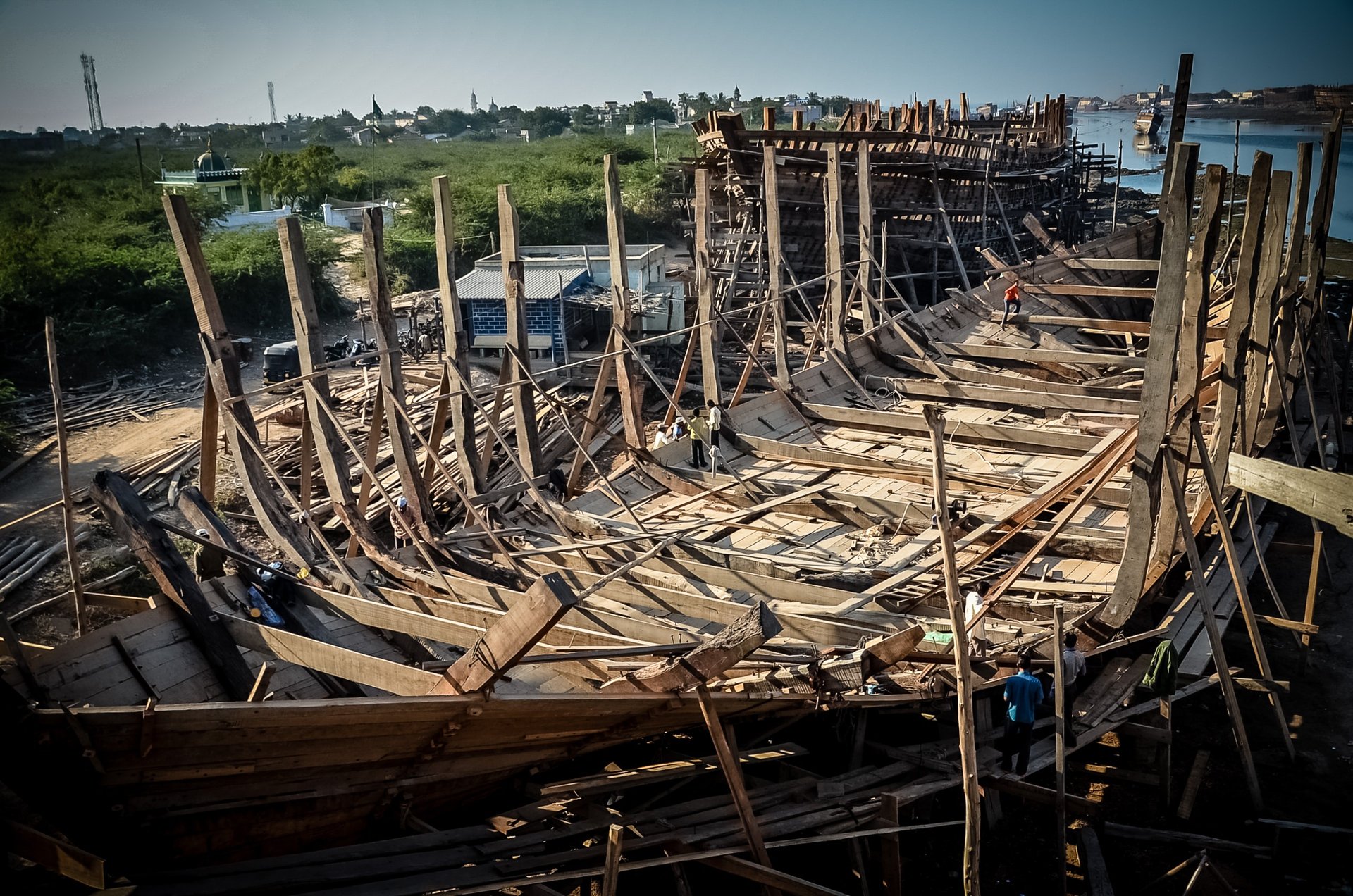
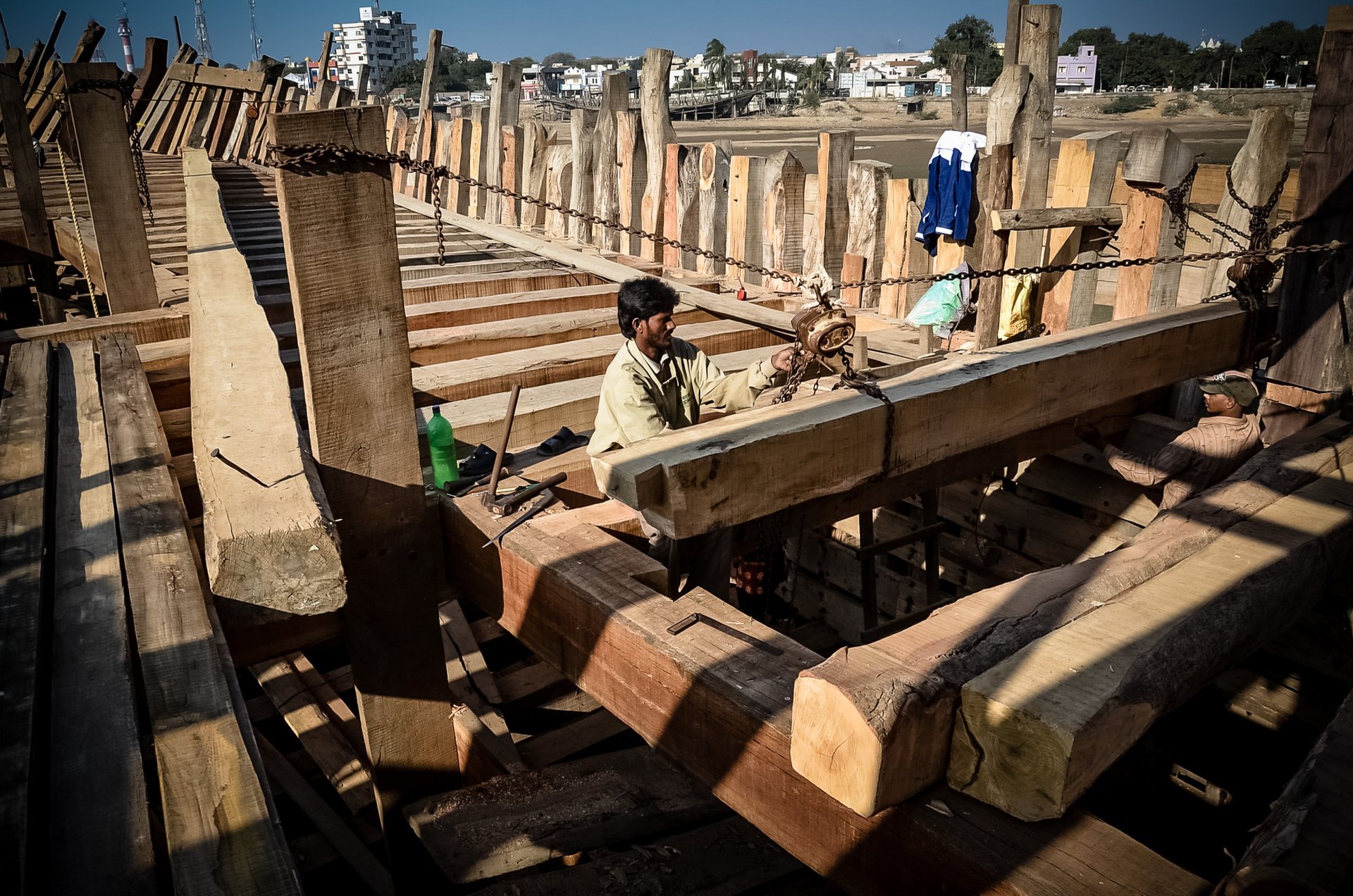
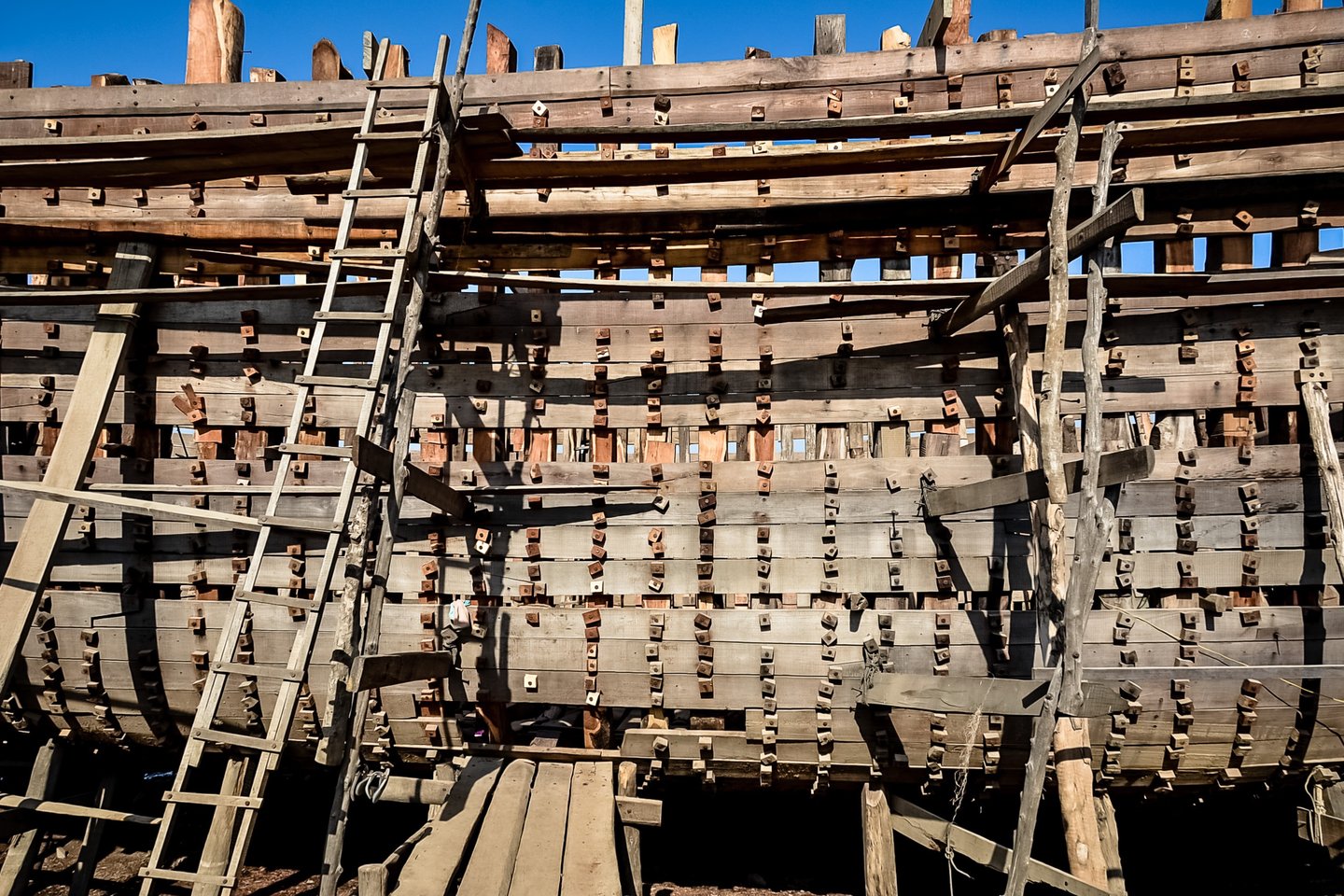
Each vessel begins as stacks of timber that are measured, cut, and shaped by hand. Keels, ribs, and planks gradually define the hull before decks, cabins, and rigging are added. Throughout the process, experienced builders rely not only on plans but also on practical knowledge developed through years of apprenticeship.
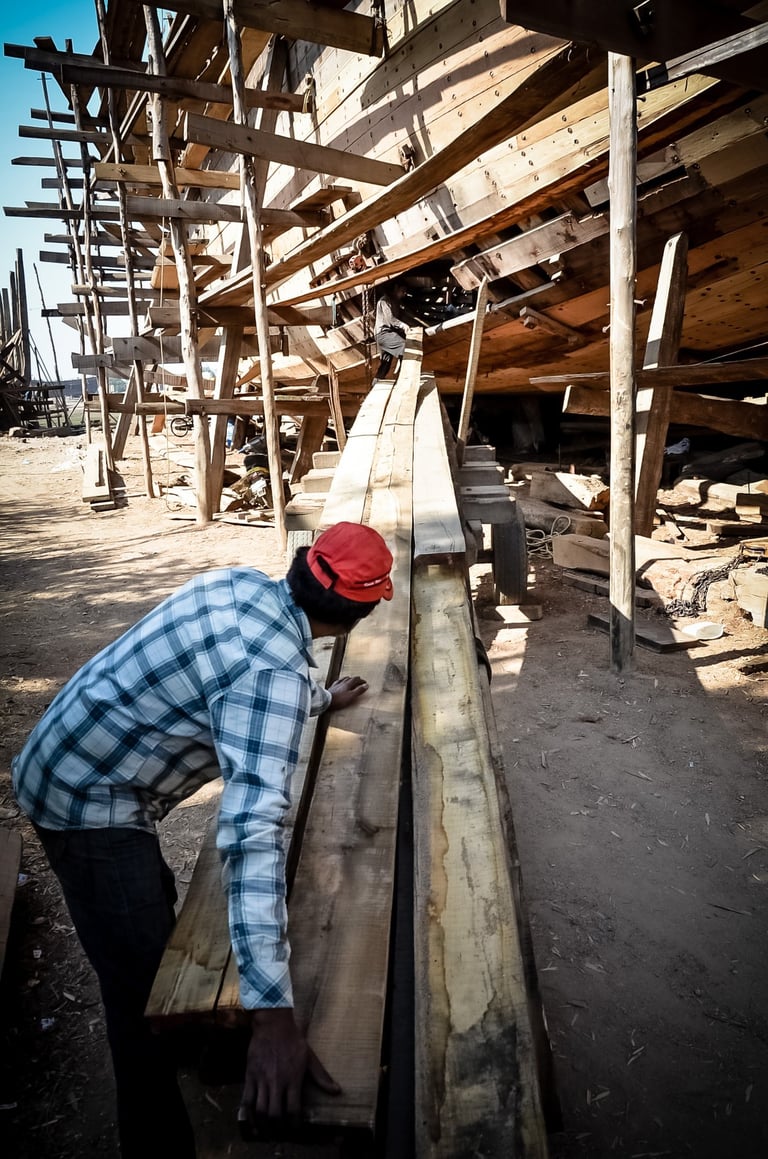
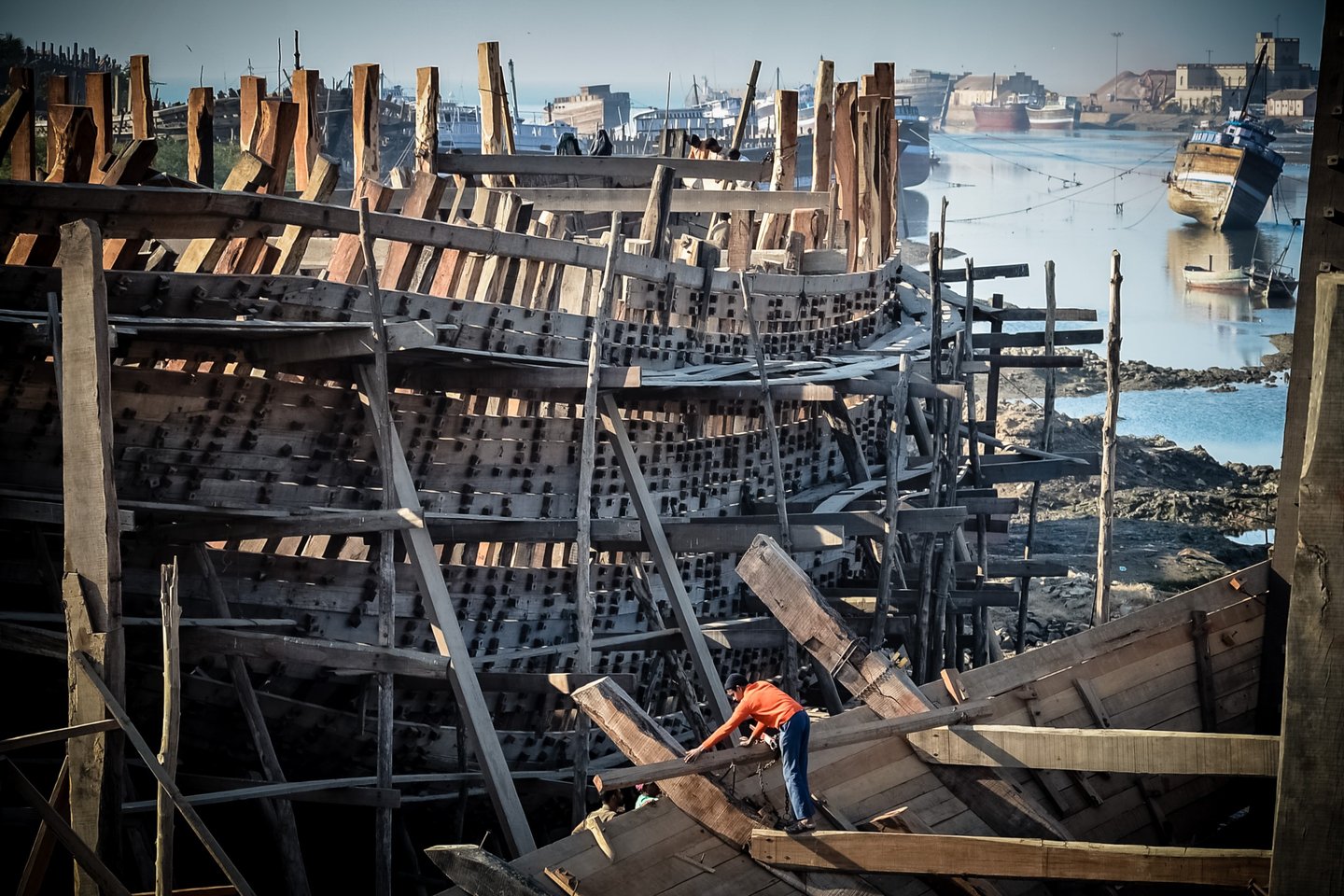
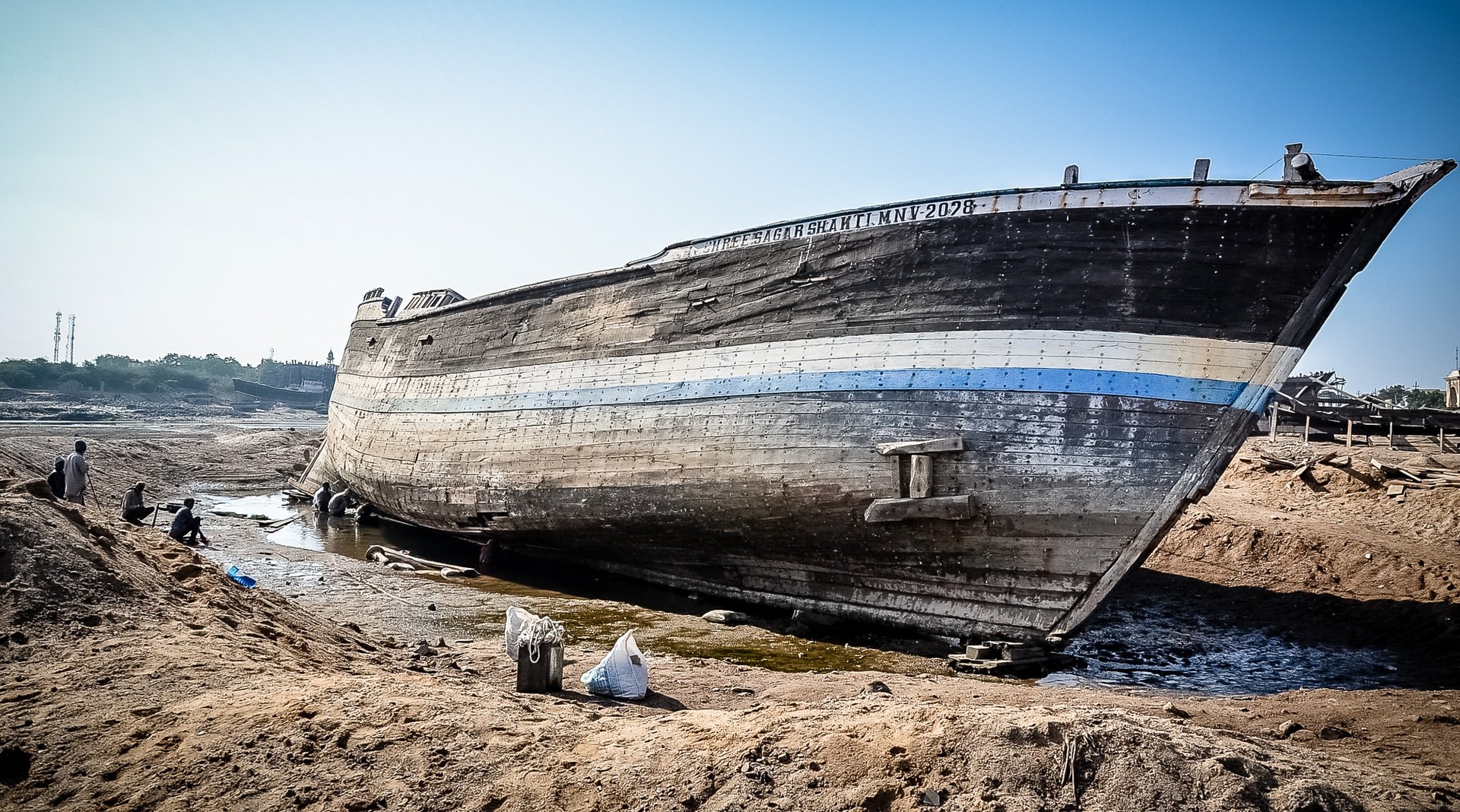
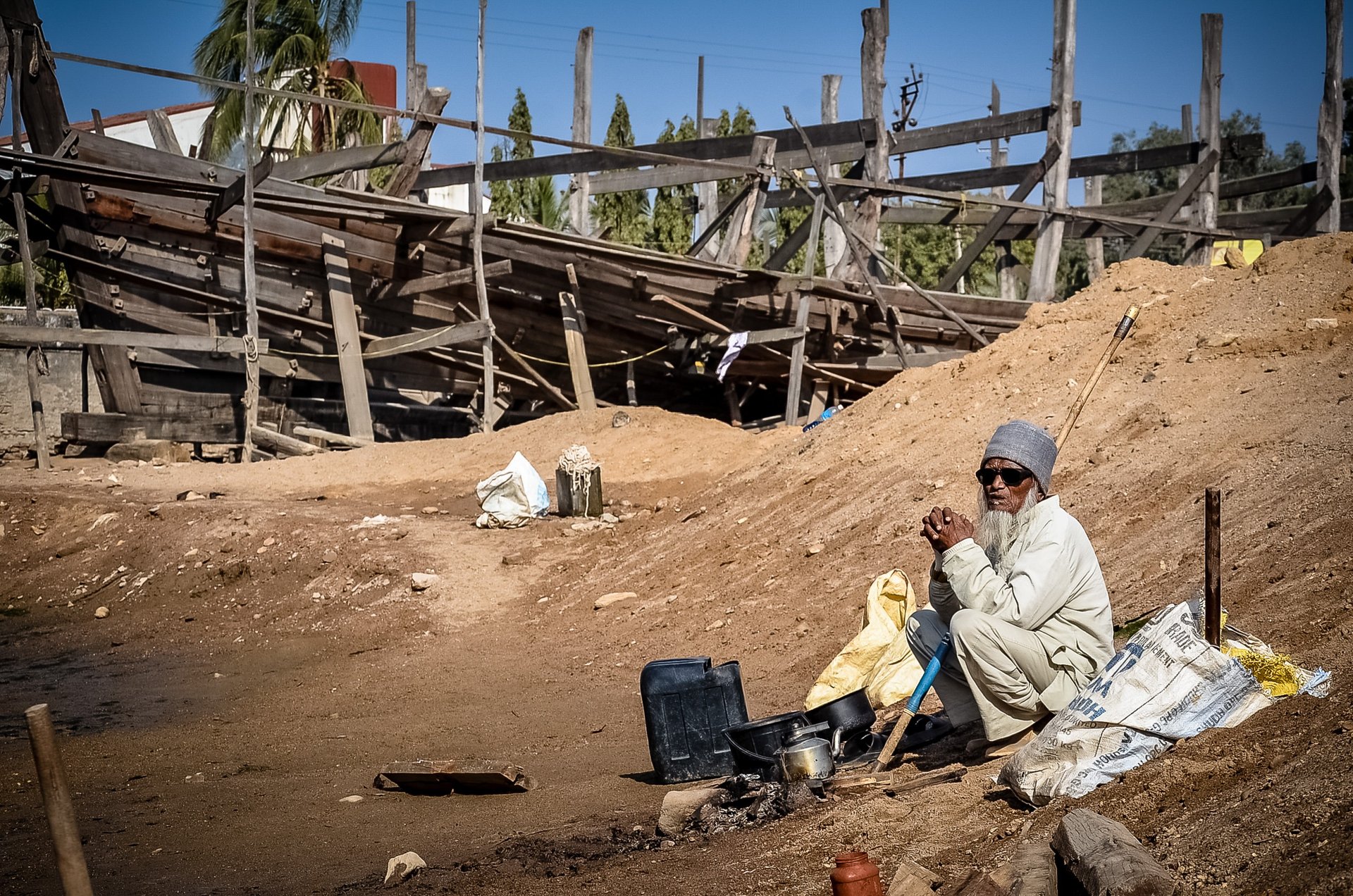
Standing beside a partially completed hull reveals the remarkable scale of the work. Every plank is lifted, aligned, and secured through coordinated labor, with individual builders often specializing in particular stages of construction.
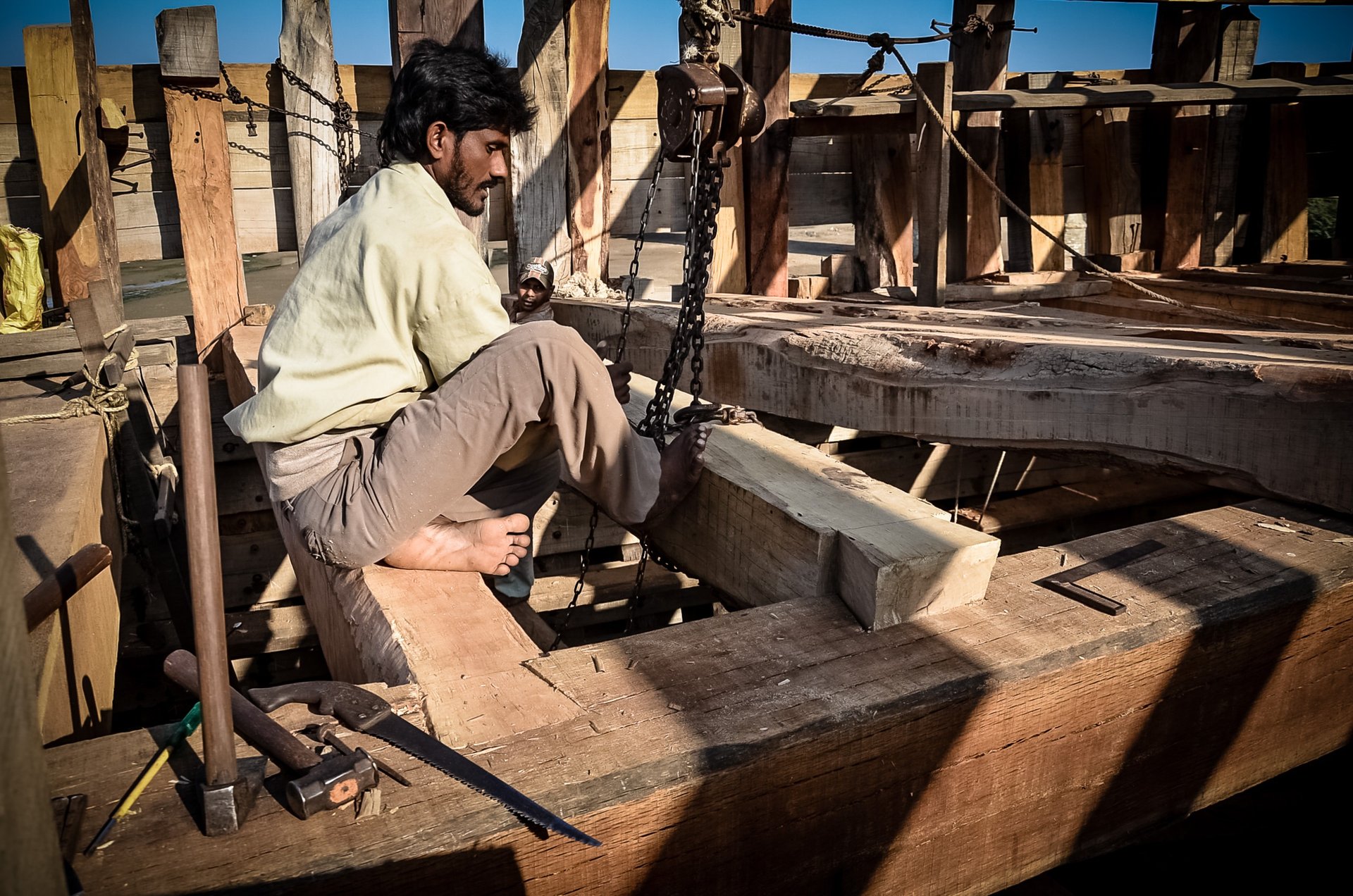
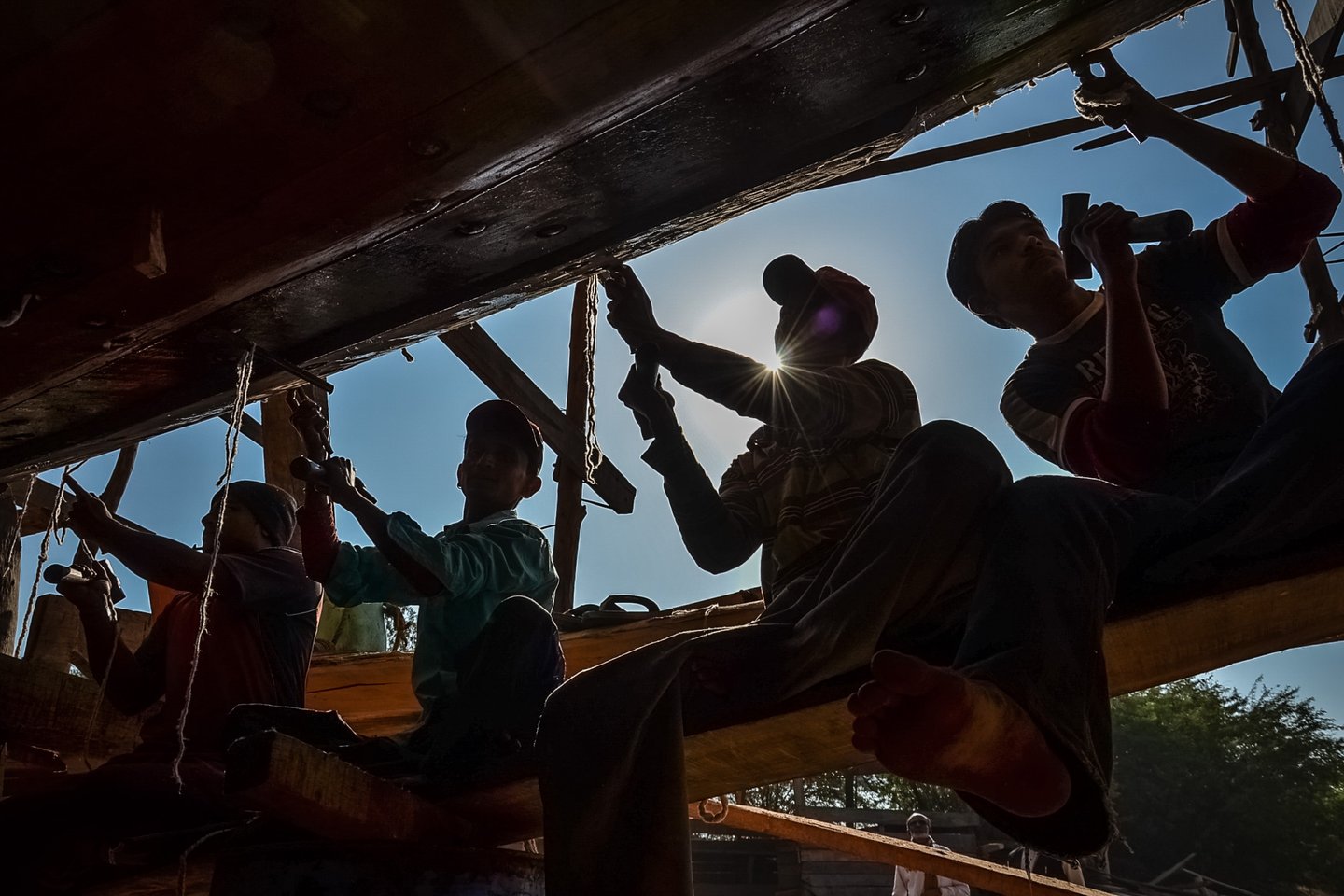
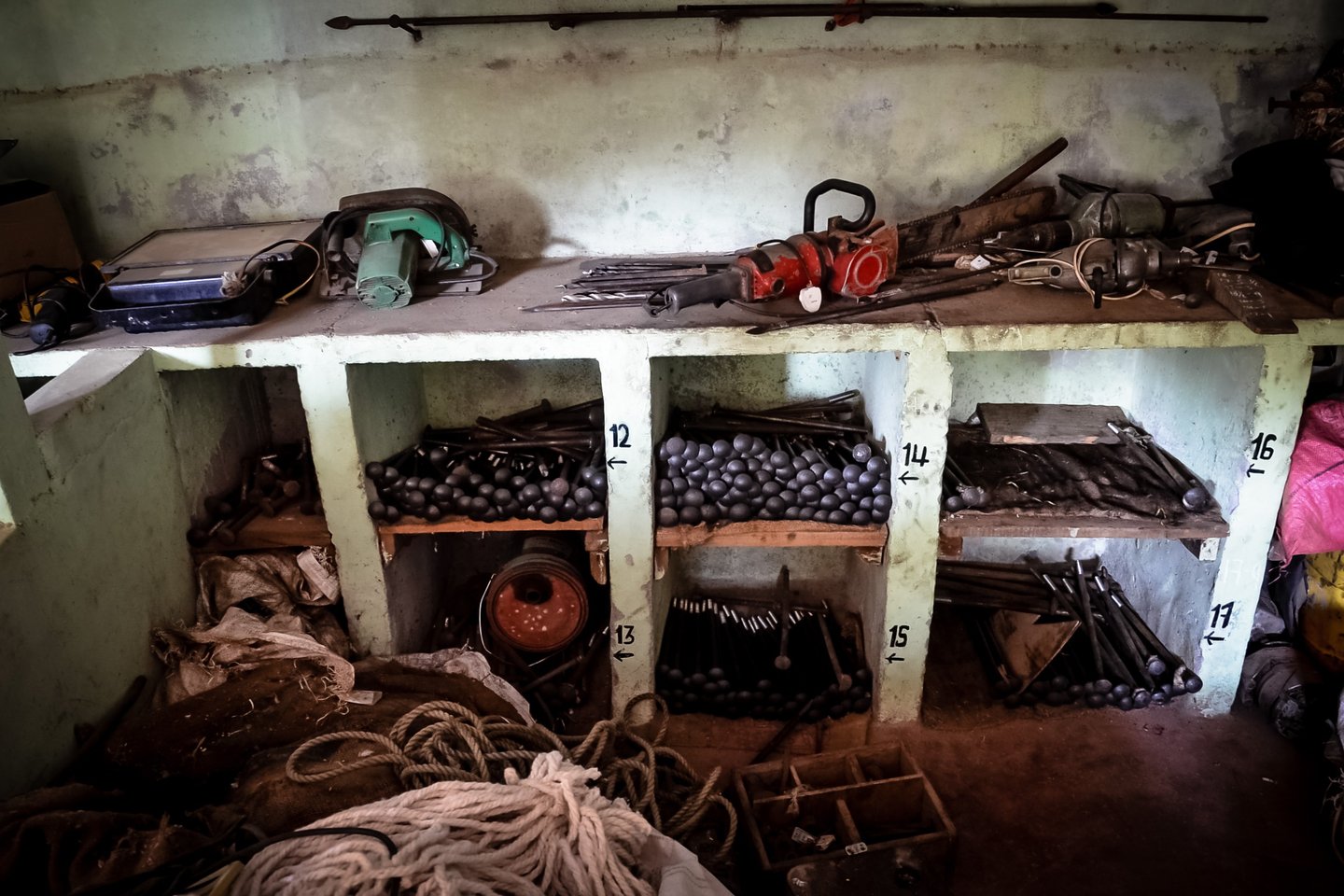
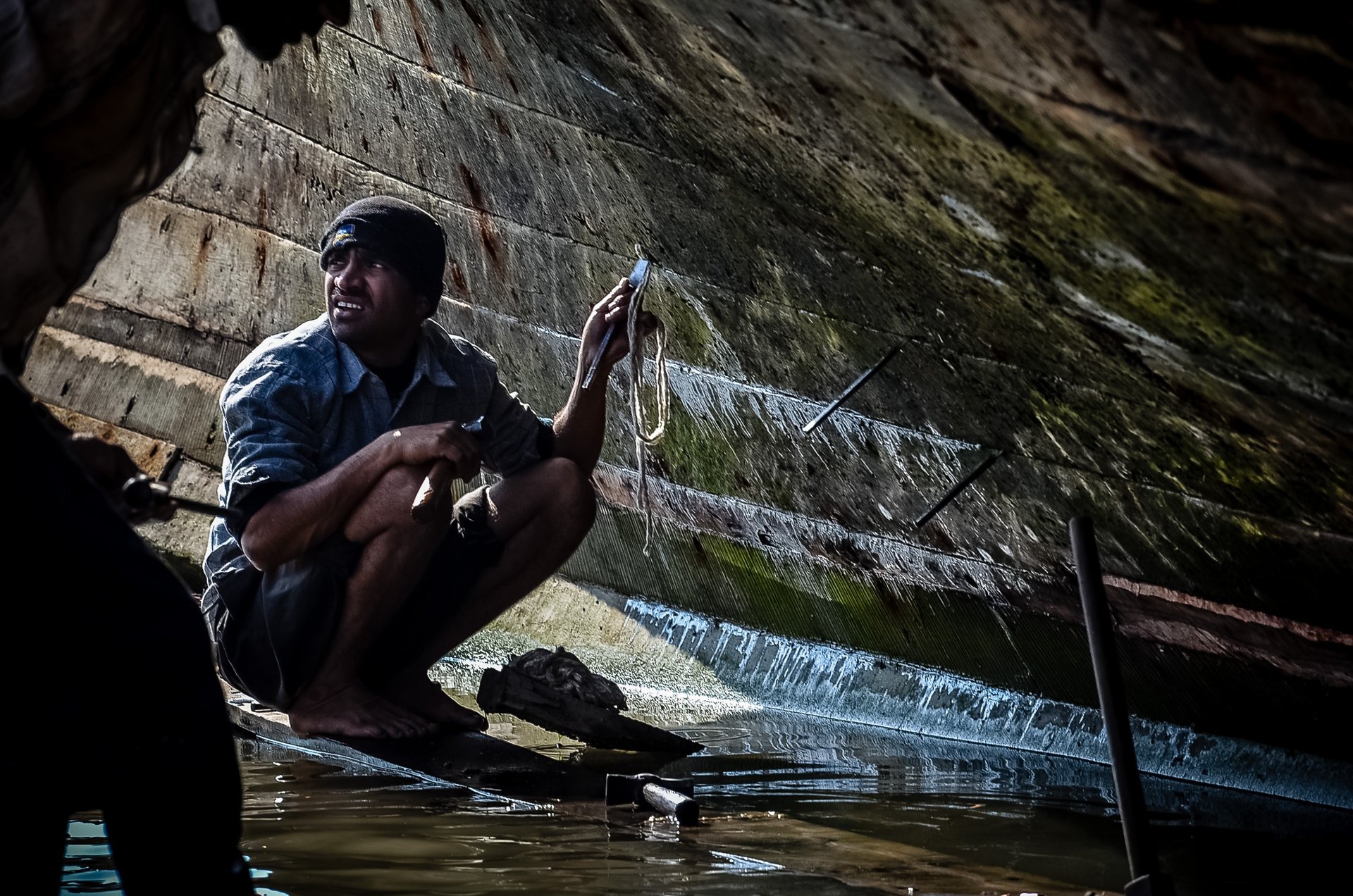
Chisels, adzes, hand saws, mallets, planes, and measuring lines remain essential alongside selected modern power tools. The precision of the finished vessel depends as much on the skill of the craftsperson as on the tools themselves.
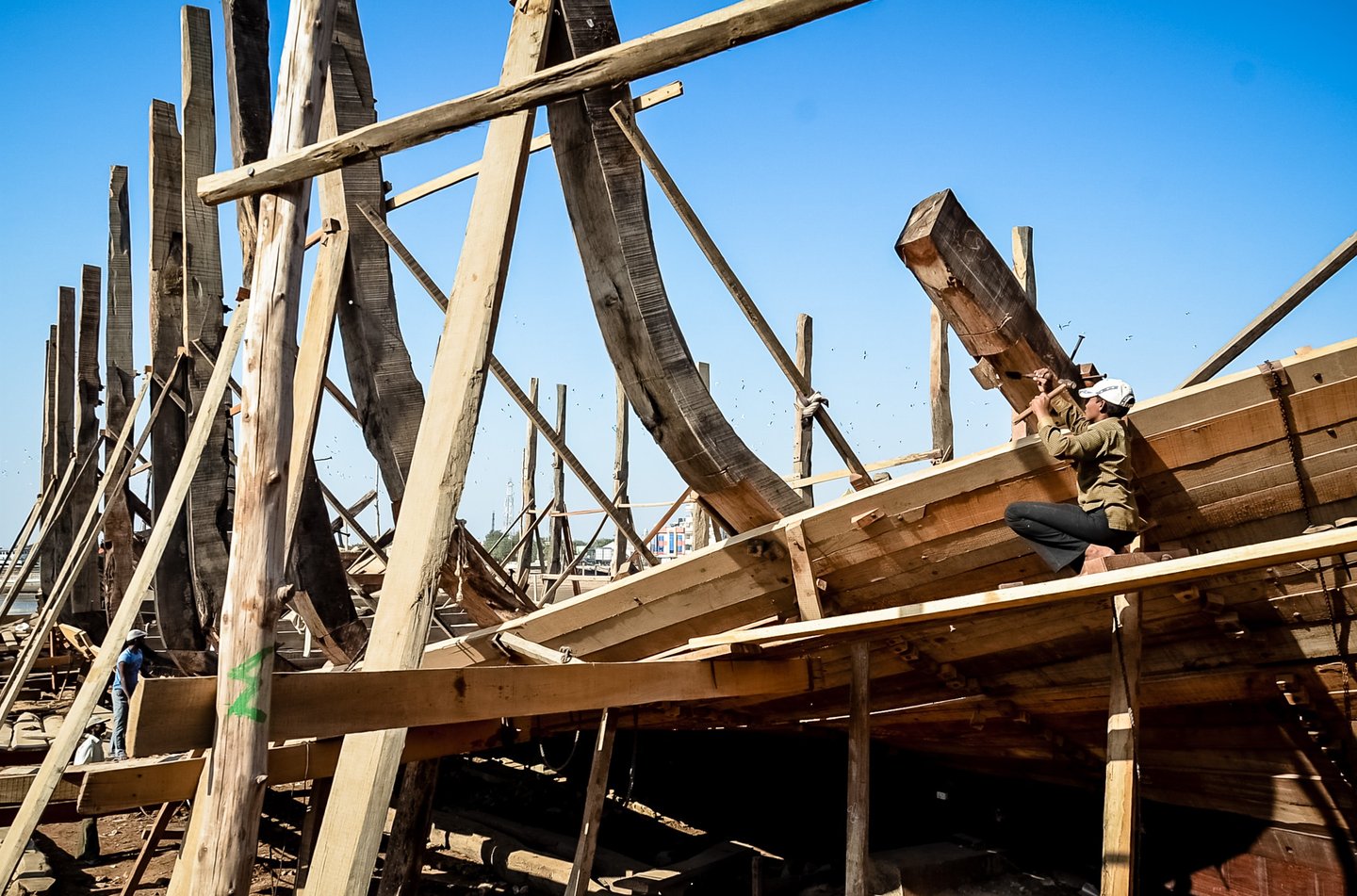
Shipbuilding knowledge is traditionally passed from experienced builders to younger apprentices through years of observation and practice. Much of the craft is learned at the worksite, where techniques are demonstrated rather than written down.
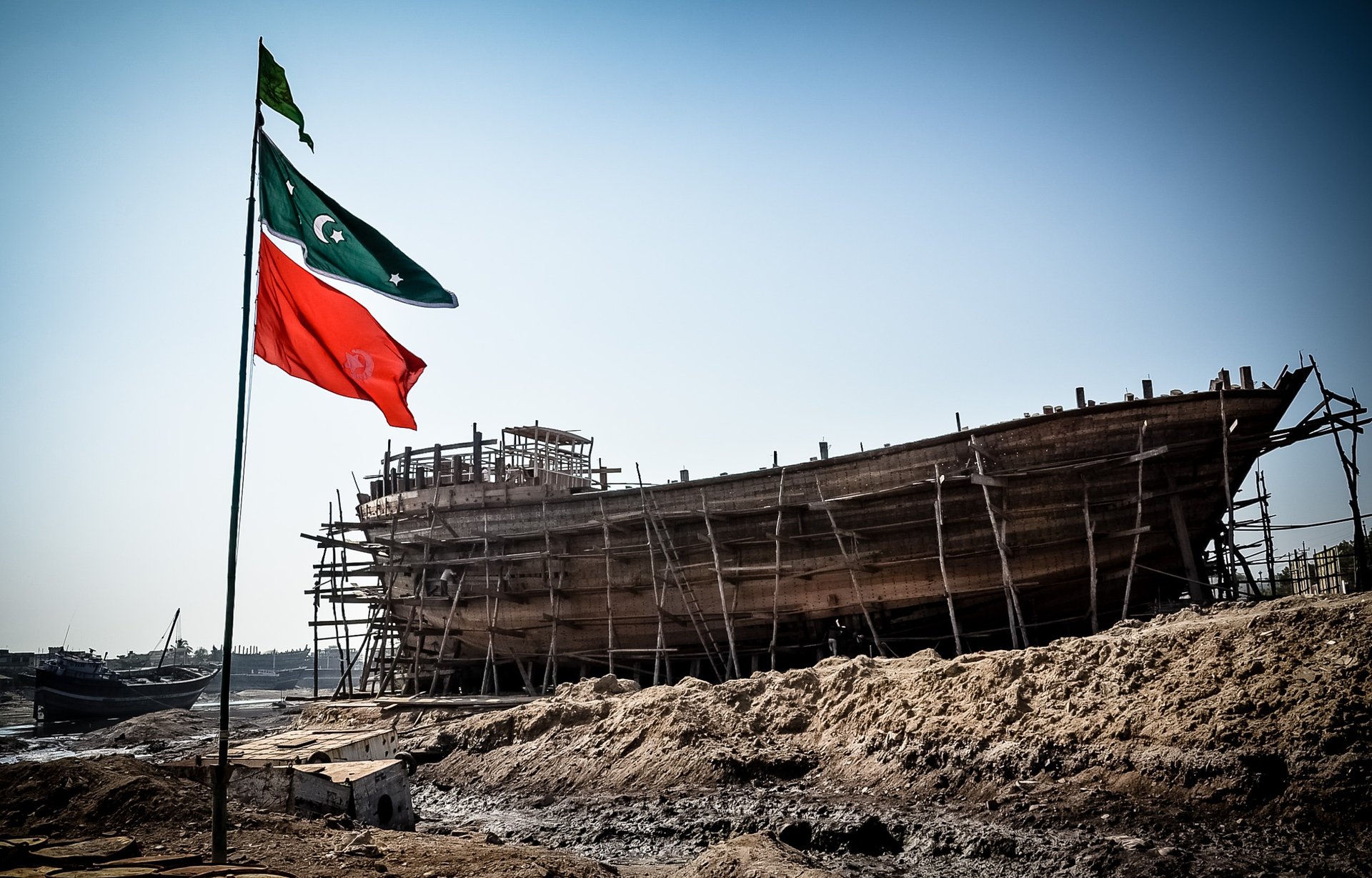
For centuries, Mandvi has been one of western India's most important shipbuilding centers. Its vessels carried merchants across the Arabian Sea and throughout the Indian Ocean, linking Gujarat with ports in East Africa, the Arabian Peninsula, and beyond.
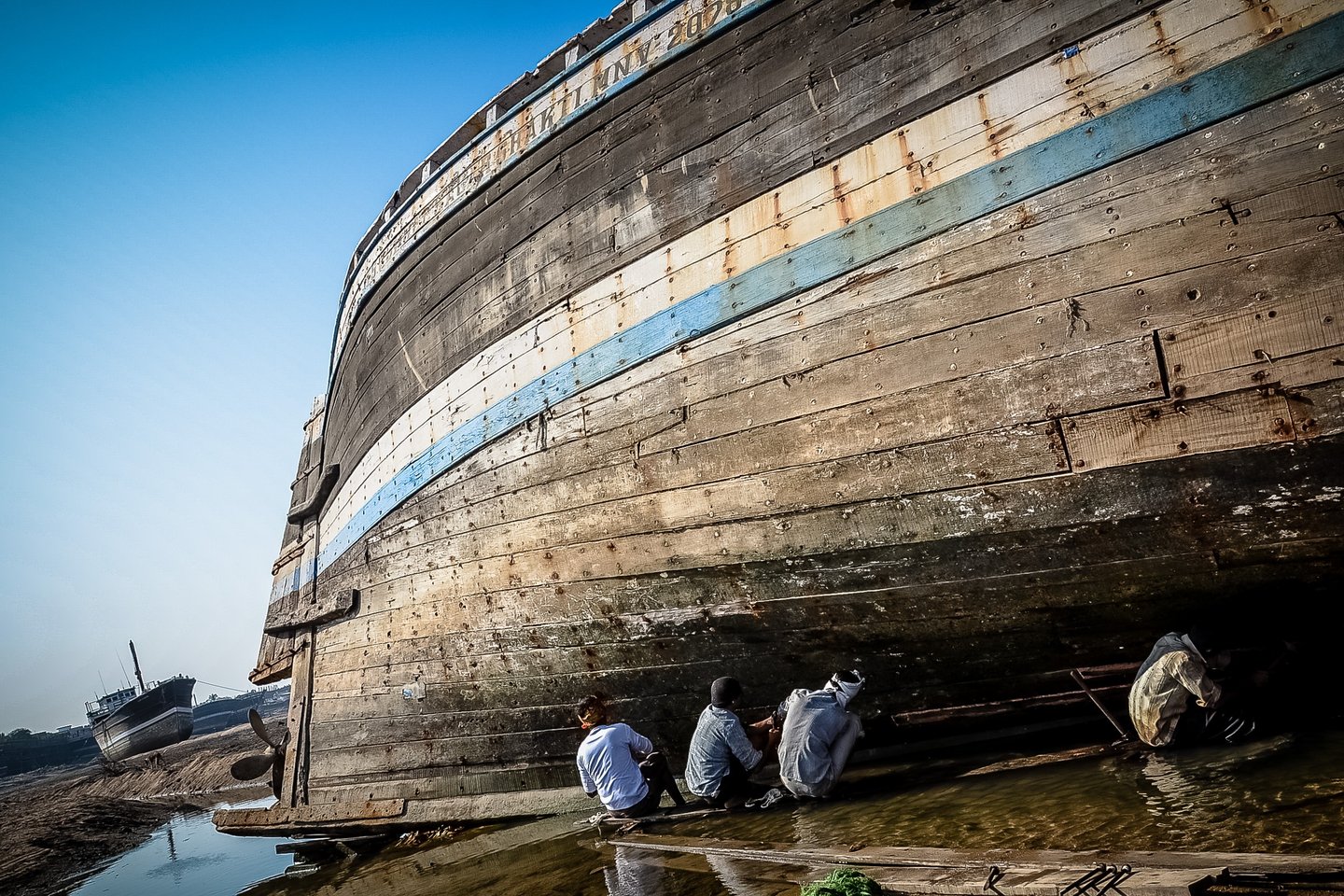
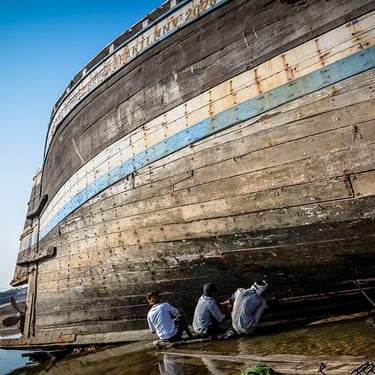
Despite the dominance of steel and fiberglass, wooden vessels continue to be valued for particular types of fishing and regional trade. Timber remains repairable, durable when properly maintained, and well suited to traditional methods of construction.
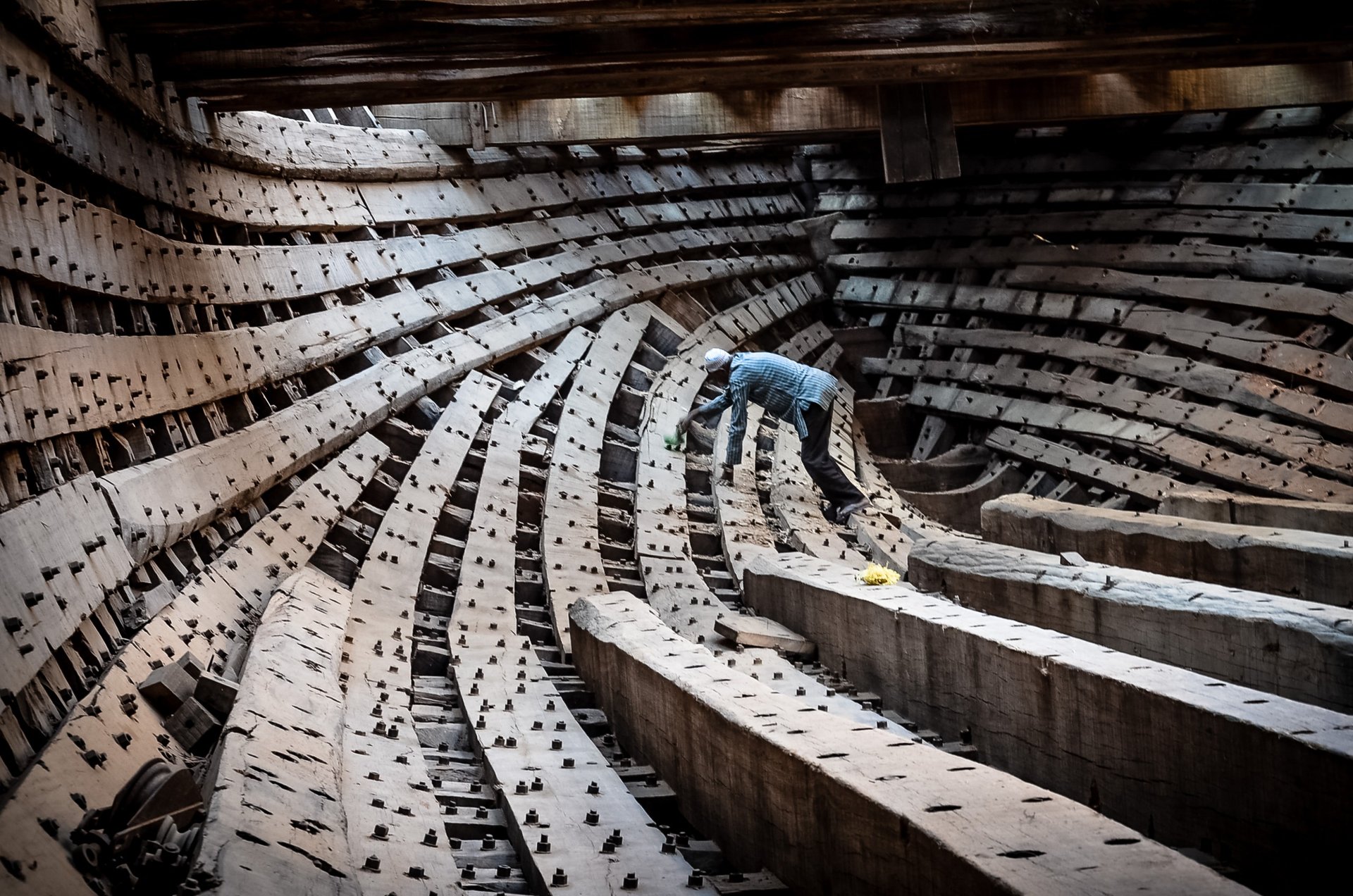
As you move through the gallery, notice the curves of the ribs, the grain of the timber, the temporary scaffolding, and the worn surfaces of tools passed from one generation of builders to the next. Together, these details reveal a craft defined by patience, precision, and accumulated experience.
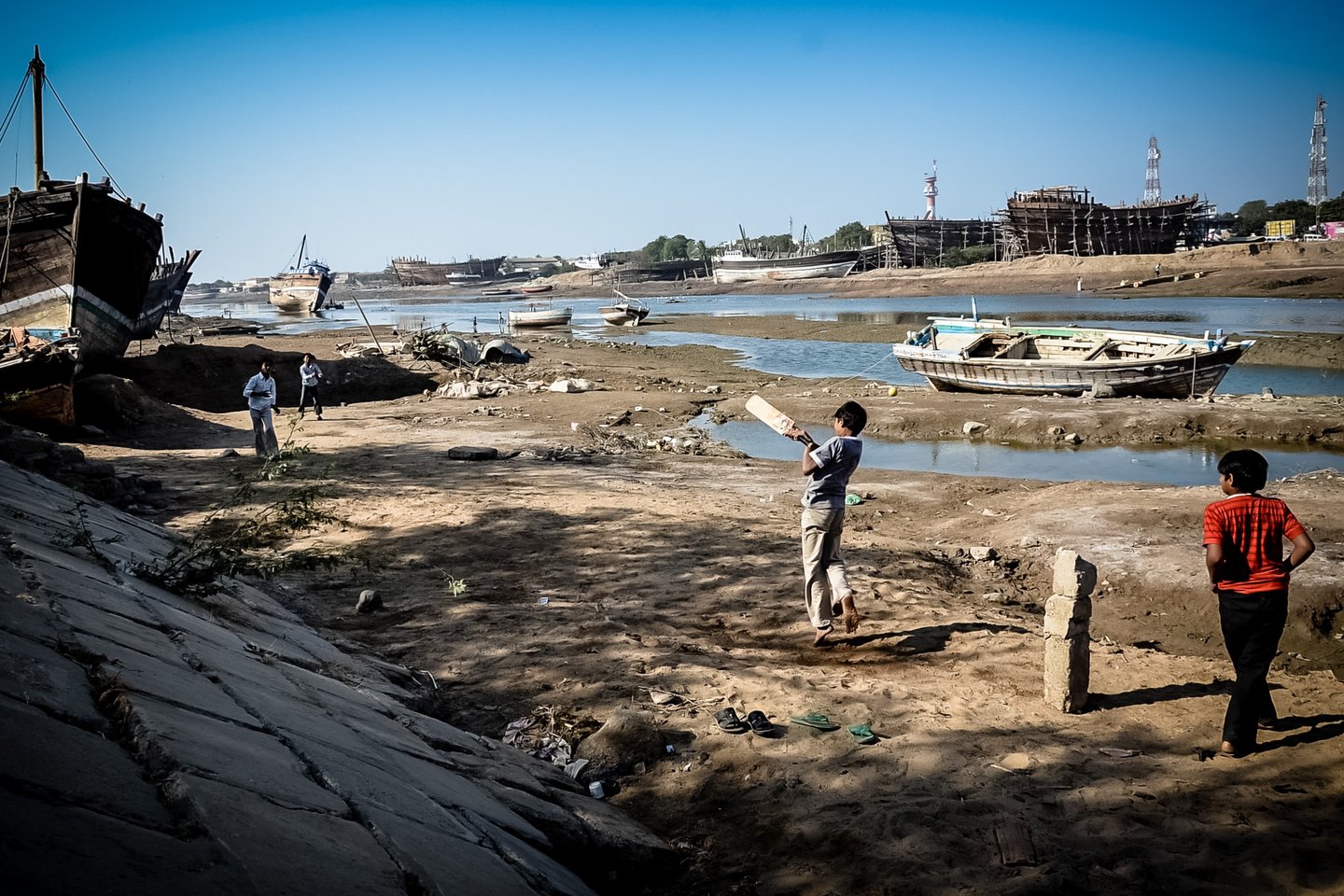
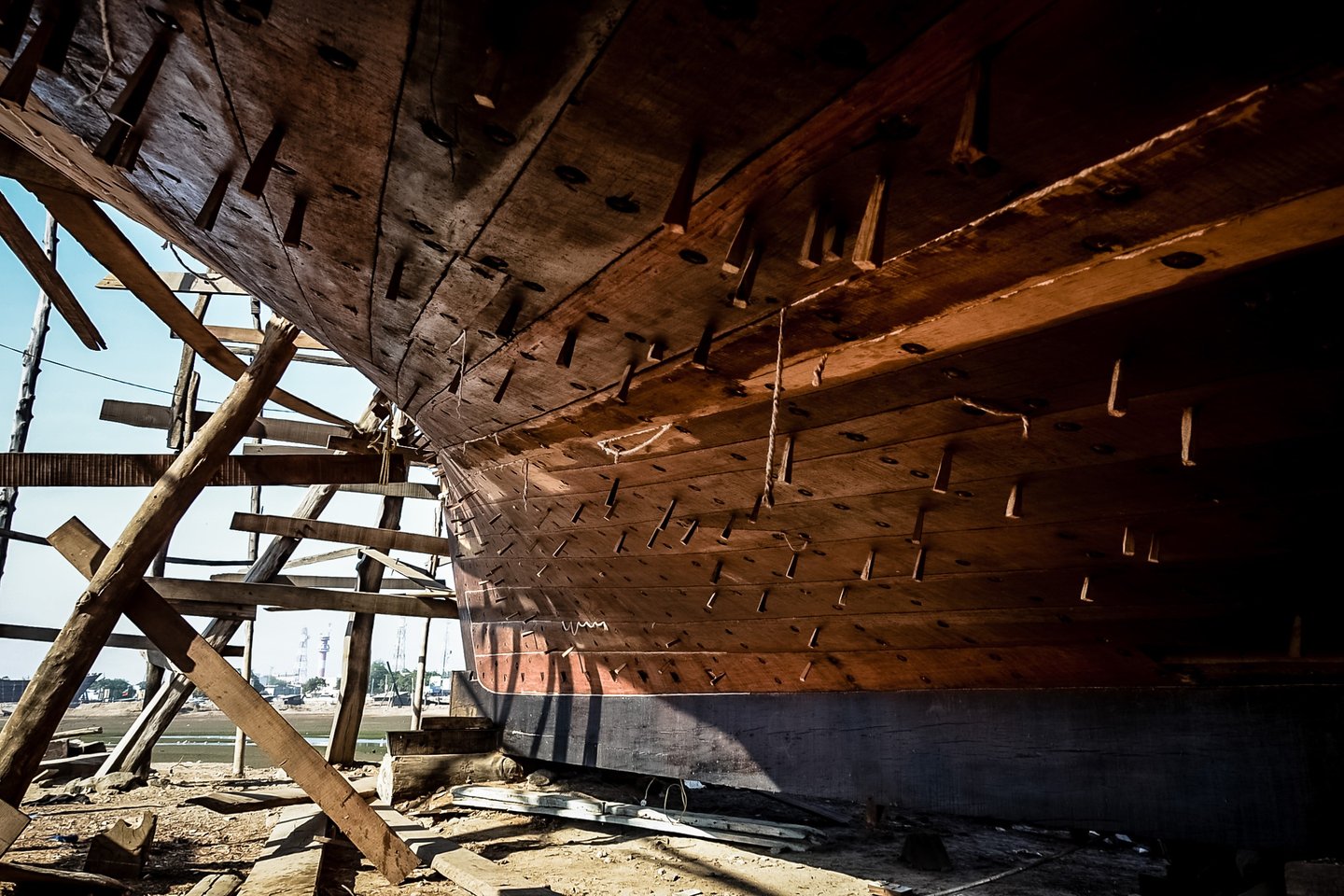
Teak has long been prized for shipbuilding because of its strength, natural oils, and resistance to rot and marine organisms. Other hardwoods may also be used depending on availability and purpose.
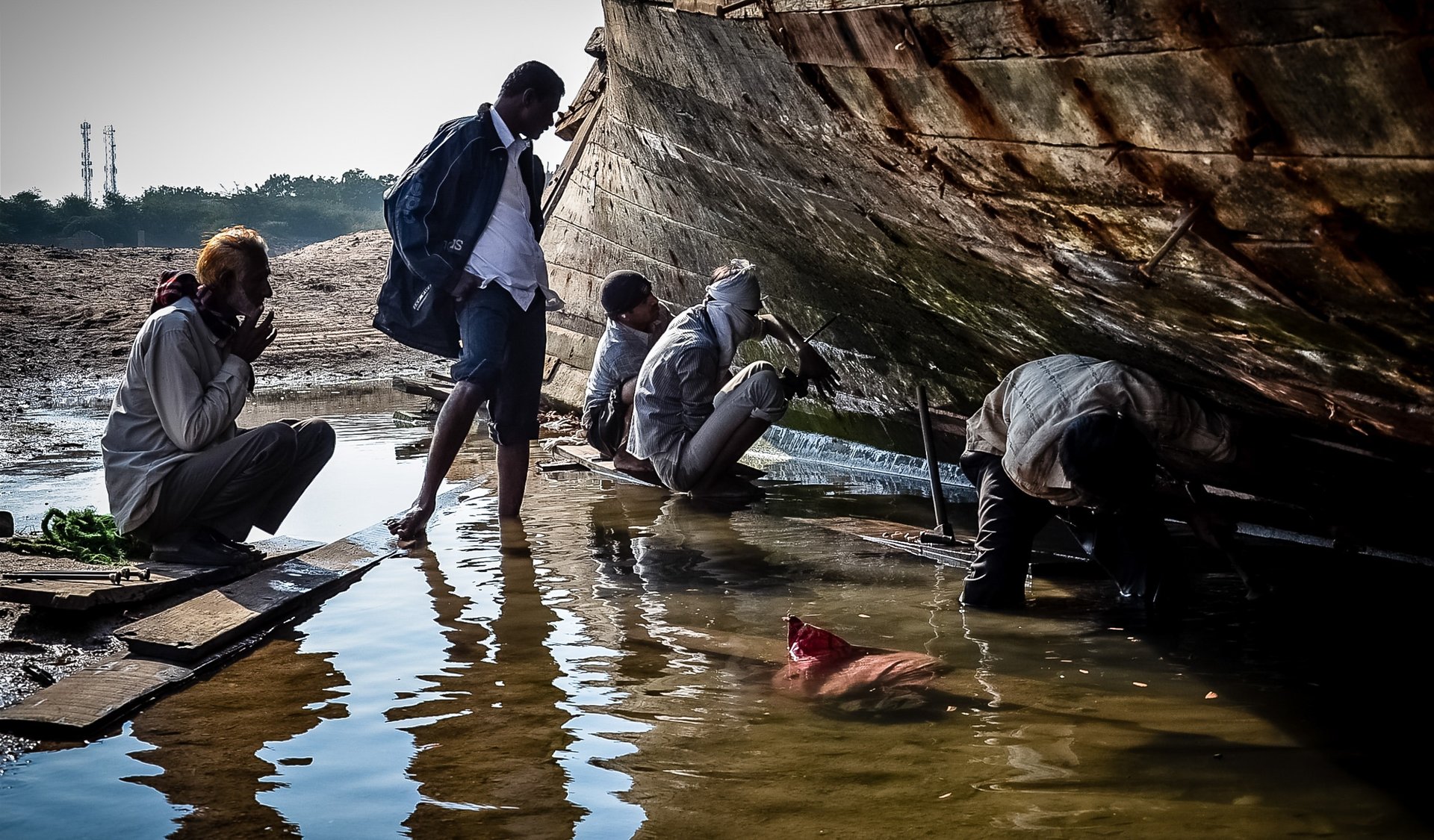
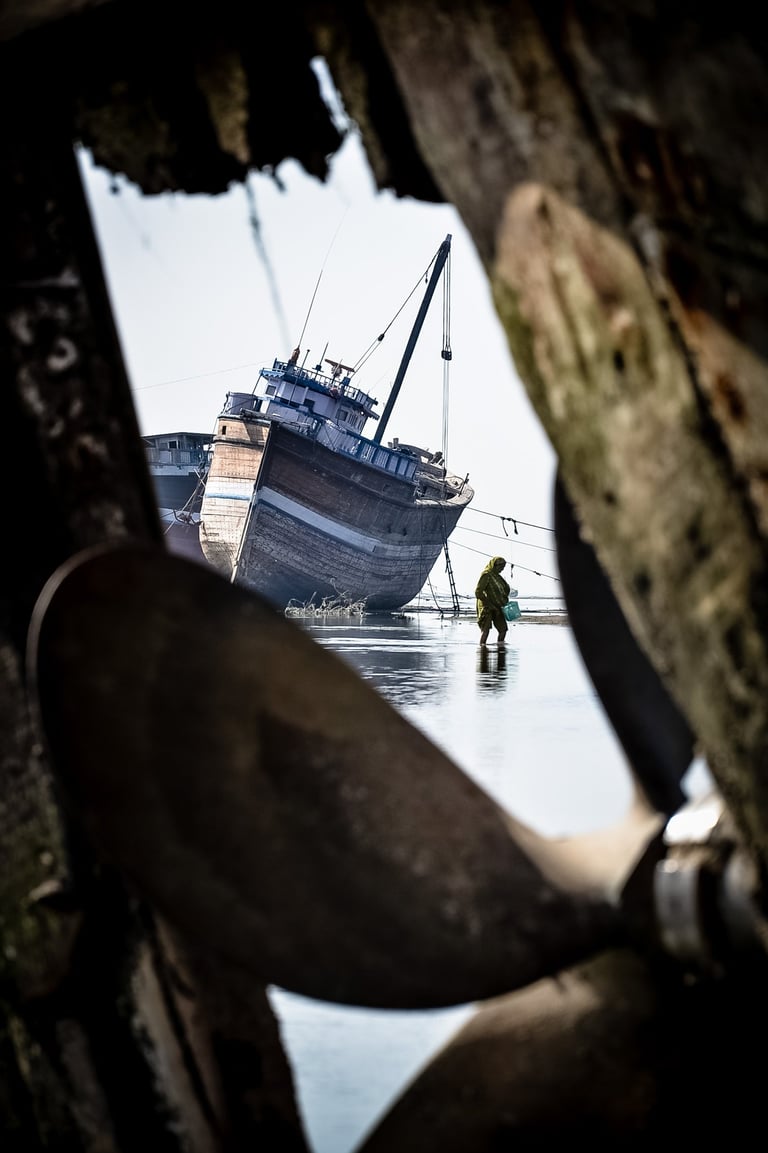
Long before a vessel reaches the water, it exists as thousands of careful decisions made by experienced hands. In Mandvi, wooden shipbuilding remains more than an industry—it is a living tradition that connects generations of artisans to centuries of maritime history. Each completed ship carries not only timber and craftsmanship, but the enduring knowledge of a community whose relationship with the sea continues to shape life along Gujarat's coast.


Thanks again for visiting!
© Raku Mayers Photography
All rights reserved
Images on this website may not be downloaded, copied, reproduced, scraped, used for machine learning, AI training, dataset creation, image synthesis, or derivative works without prior written permission.
Photography Workshops
Hear about future photography immersion workshops in destinations around the world.
Collector’s Club
Receive occasional news about new prints, special releases, and print sales.
RAKU⚡️PHOTO
Selected photographs from these galleries are available as fine art prints.
Please inquire for sizes and availability.